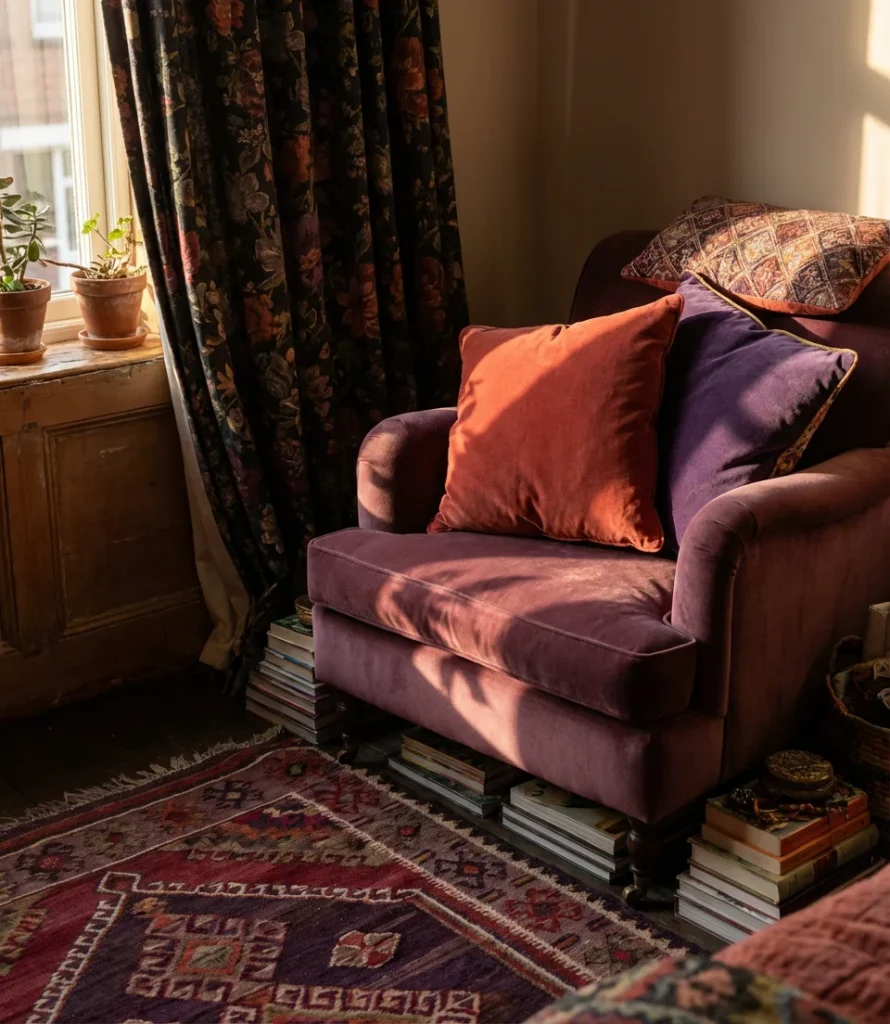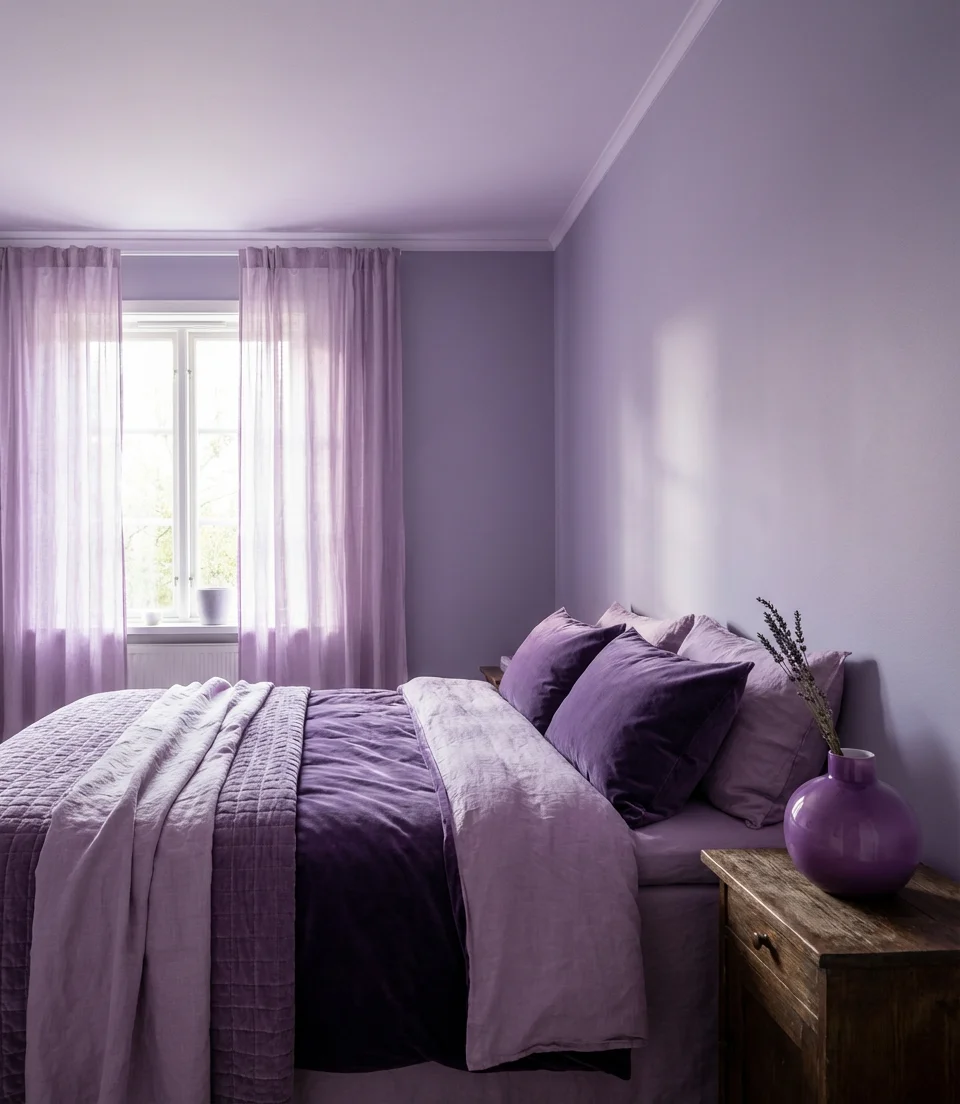

Purple has quietly reclaimed its place as one of the most searched bedroom colors on my Pinterest feed, and in 2026, it’s showing up in ways that feel genuinely fresh to me. Whether I’m drawn to deep, moody plums or soft lavender washes that make a room feel like a daydream, I’ve realized there’s a shade and style here for every kind of sleeper. This isn’t my grandmother’s grape-painted guest room—today’s purple bedrooms are layered, intentional, and seriously beautiful. In this guide, I’m sharing distinct ideas spanning everything from bold dark walls to pastel kids’ spaces, all designed to inspire my next bedroom transformation.
1. I’m Obsessed With My Deep Plum Velvet Headboard Moment
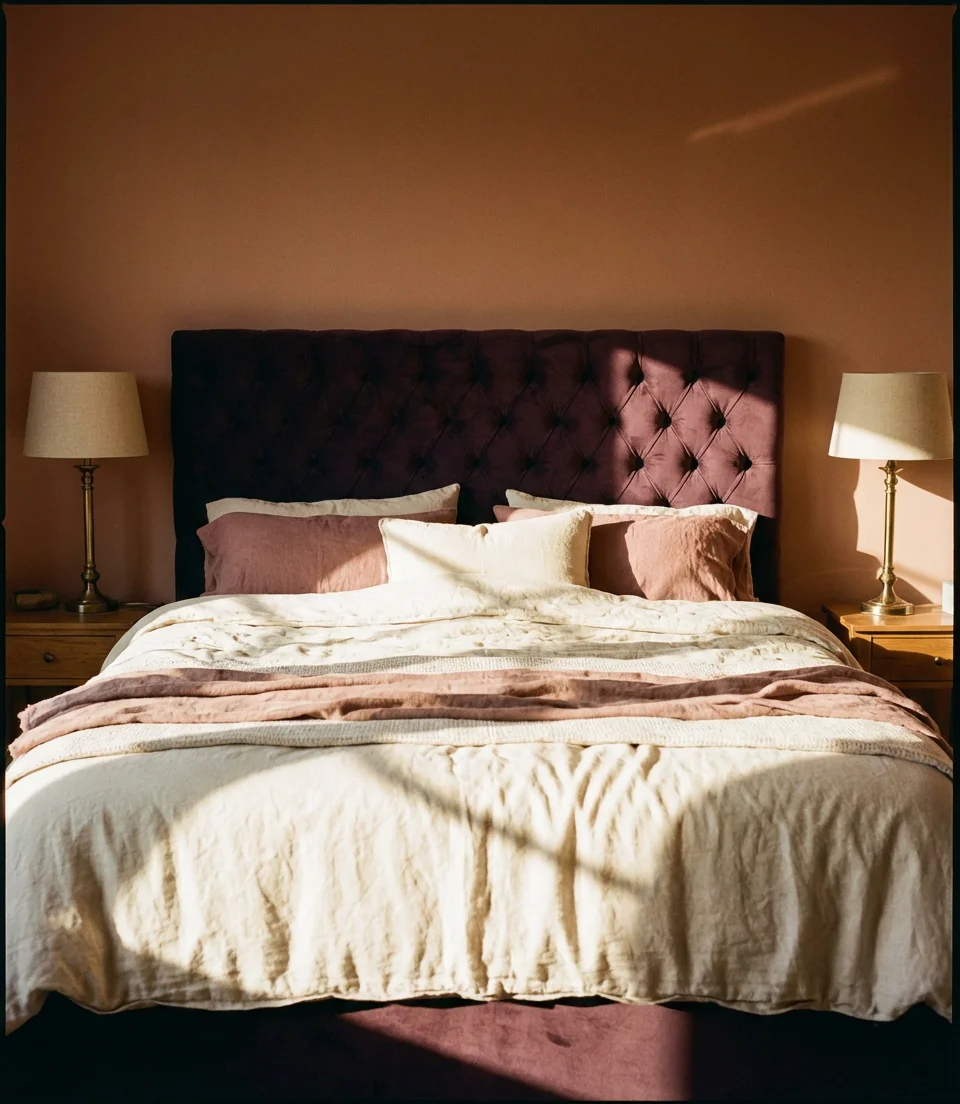
I genuinely believe a deep plum velvet headboard might be the single best investment I could make for a romantic focal point that anchors my room without overwhelming it. I’d pair it with warm brass hardware, cream linen bedding, and a chunky woven throw to create a space that feels both grounded and quietly luxurious. I’ve noticed velvet headboards surging in popularity across the Midwest and South, where homeowners like me are leaning into cozy, statement-making furniture rather than neutral minimalism. For my budget, I’m eyeing quality options between $300 and $700, which feels like a fraction of the cost of a full bedroom renovation.
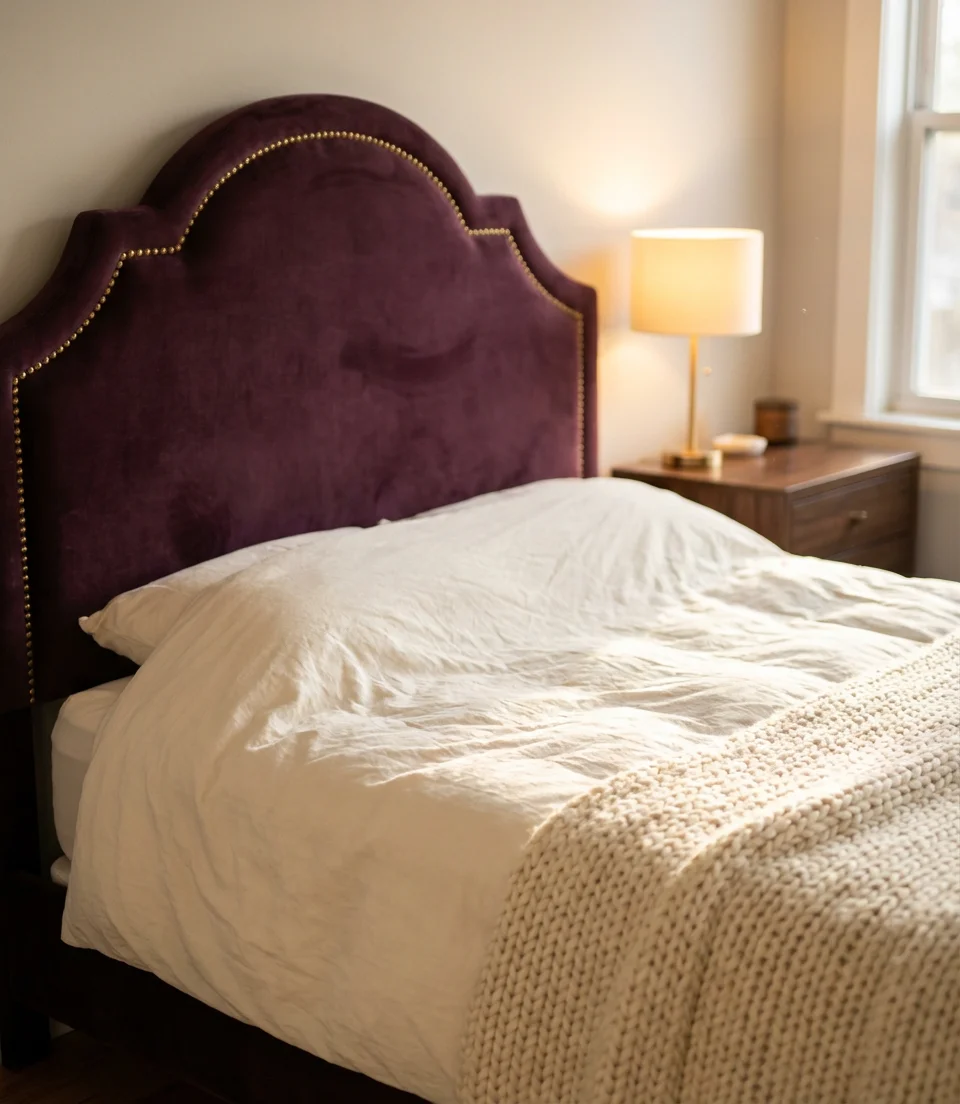
2. I Reimagined Lavender Walls With White Trim for a Fresh Classic Look
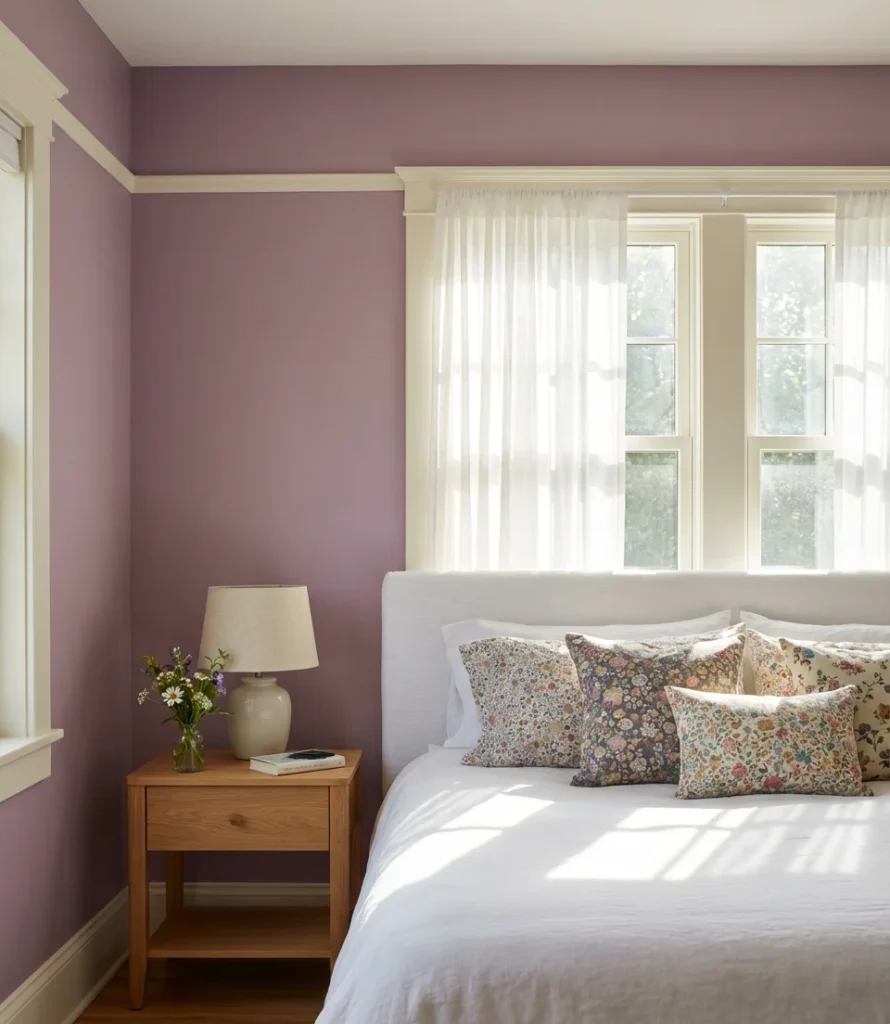
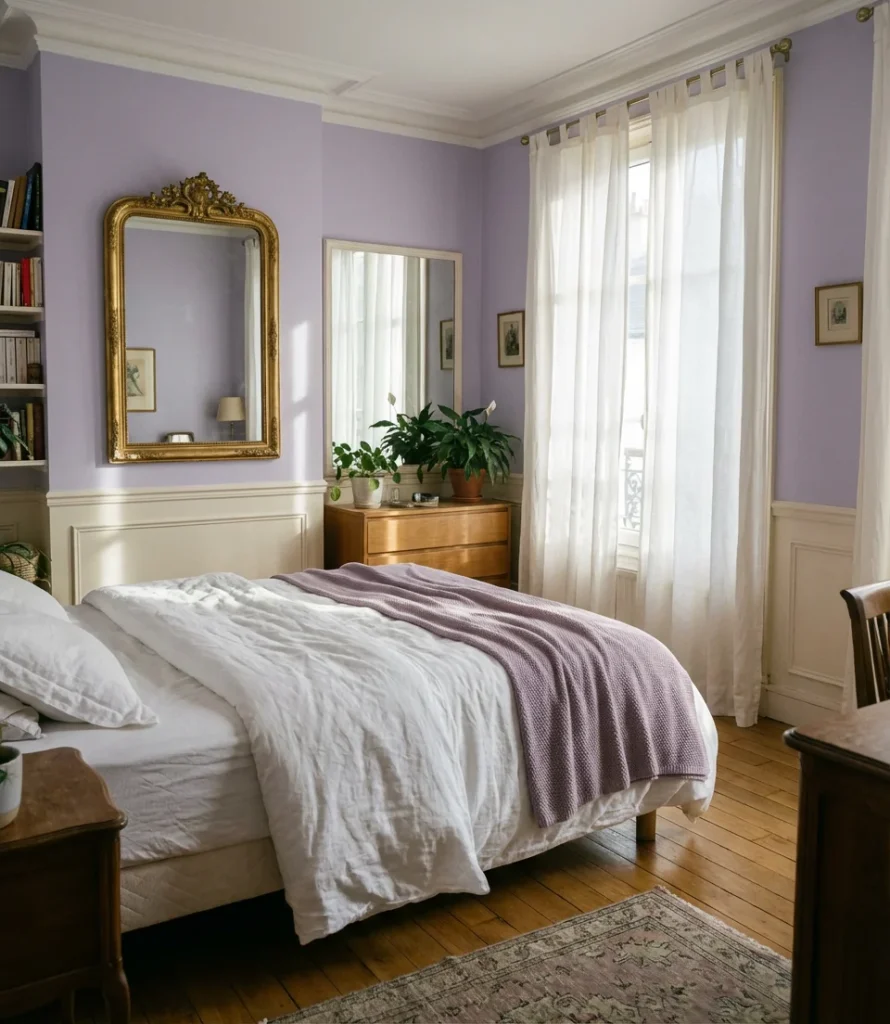
I’ve always loved how lavender walls with crisp white trim never fully disappear from design conversations—the combination is simply timeless. In 2026, I’m refreshing this classic by leaning into warmer lavender tones paired with off-white or creamy trim instead of stark white. I think the result feels less “children’s room” and more elevated European bedroom—the kind of space I’d find in a carefully styled Paris apartment. Before I commit, I’m definitely testing my chosen paint in both natural daylight and evening lamp lighting, because I’ve learned the difference can be dramatic.
3. I Created a Dark Moody Purple Bedroom That Feels Like My Personal Sanctuary
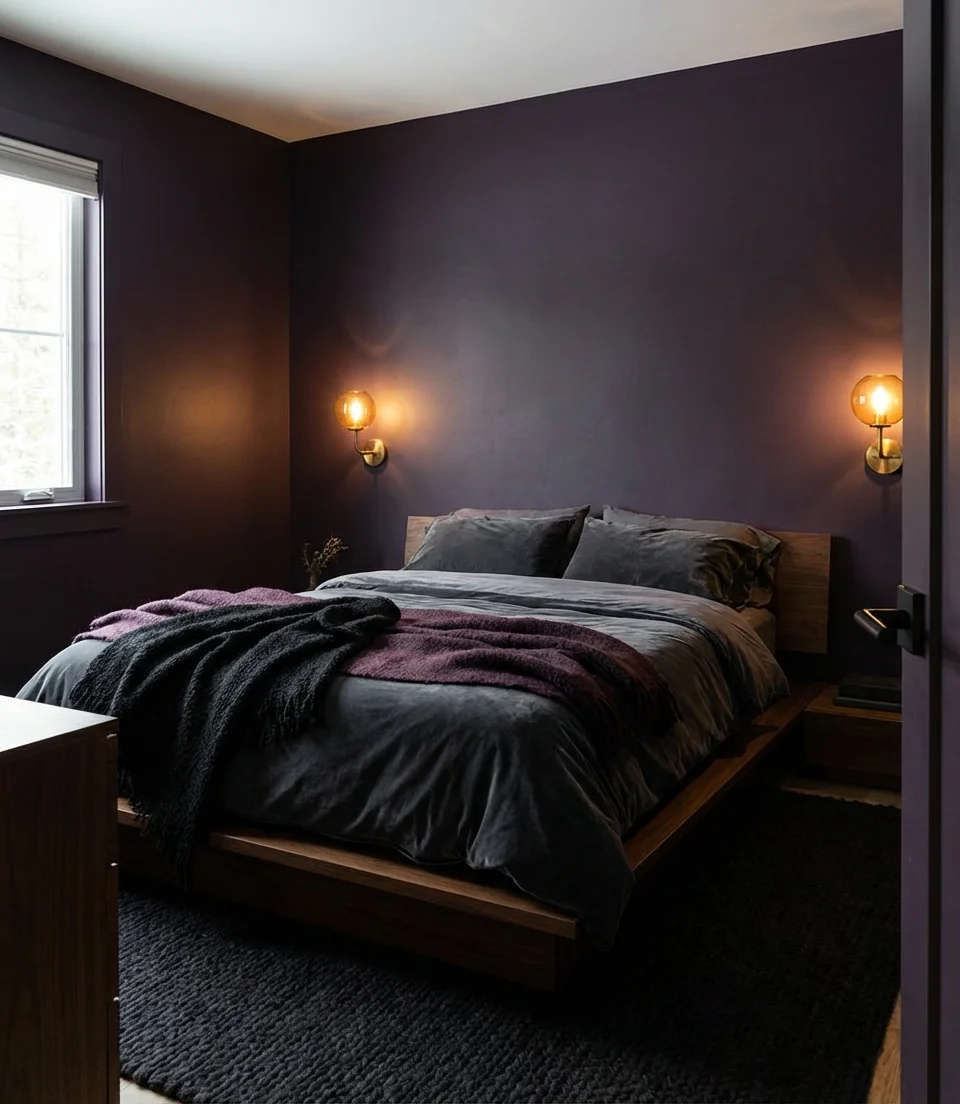
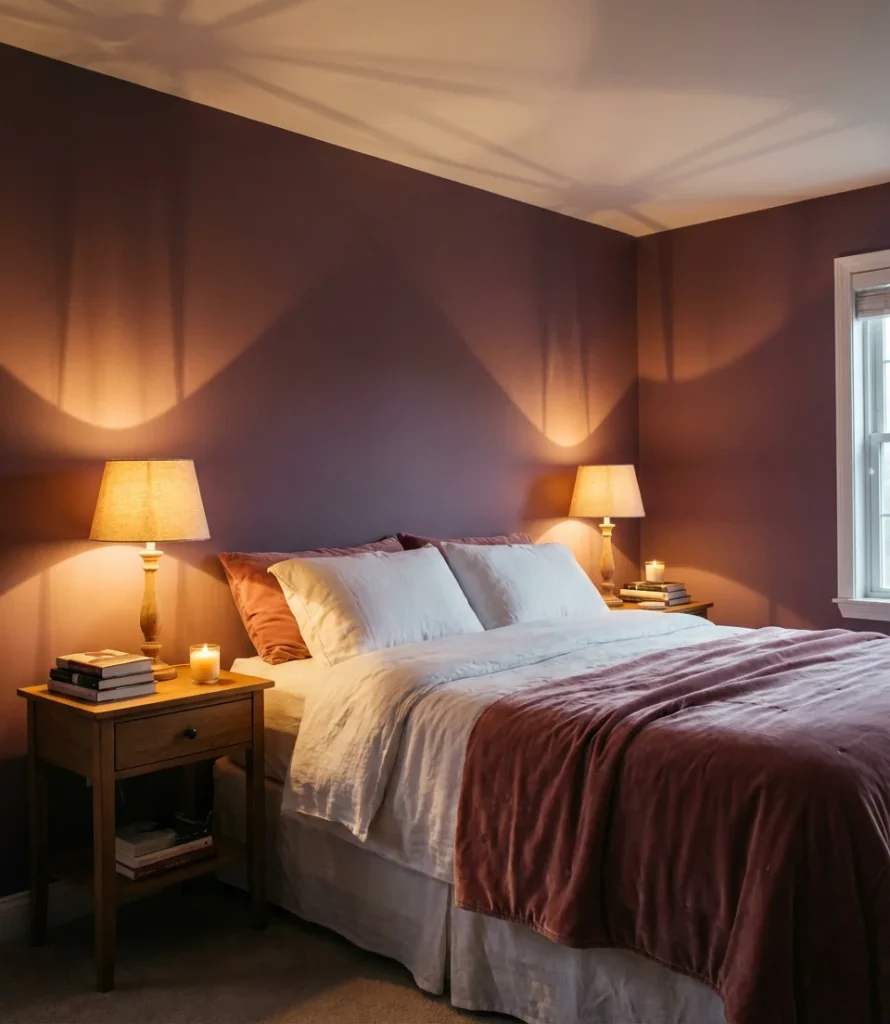
I’ve fully embraced the dark, moody bedroom trend, and purple is its most underrated expression in my opinion. Deep eggplant, rich mulberry, and near-black violet walls create a cocoon-like atmosphere that makes my bedroom feel dramatically different from the rest of my home. Unlike navy or forest green, dark purple brings something extra: a sense of mystery and warmth that feels genuinely singular to me. I’ve learned that thoughtful lighting is everything—multiple warm light sources at different heights with 2700K bulbs bring out the richness and make the space feel enveloping rather than just dark.
4. I Designed a Pastel Purple Kids’ Bedroom Full of Playful Energy
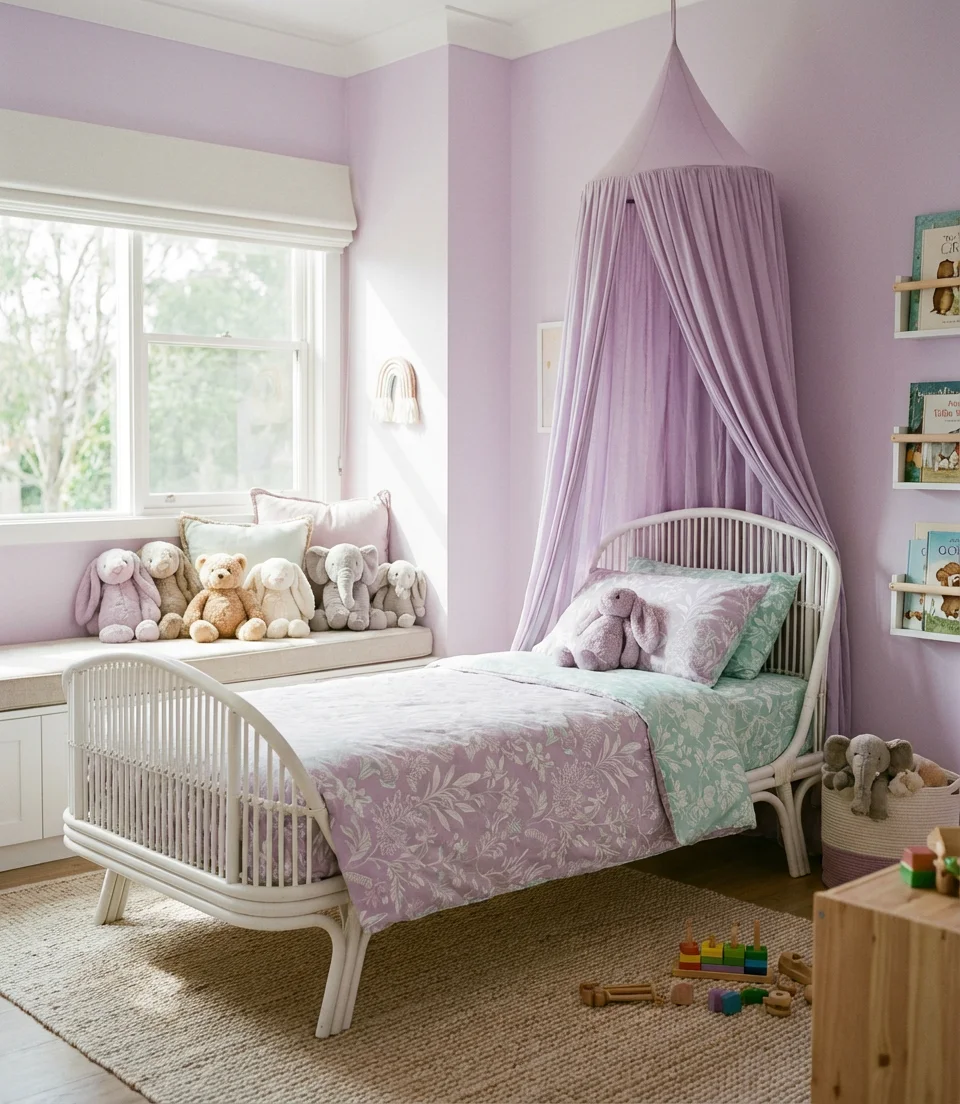
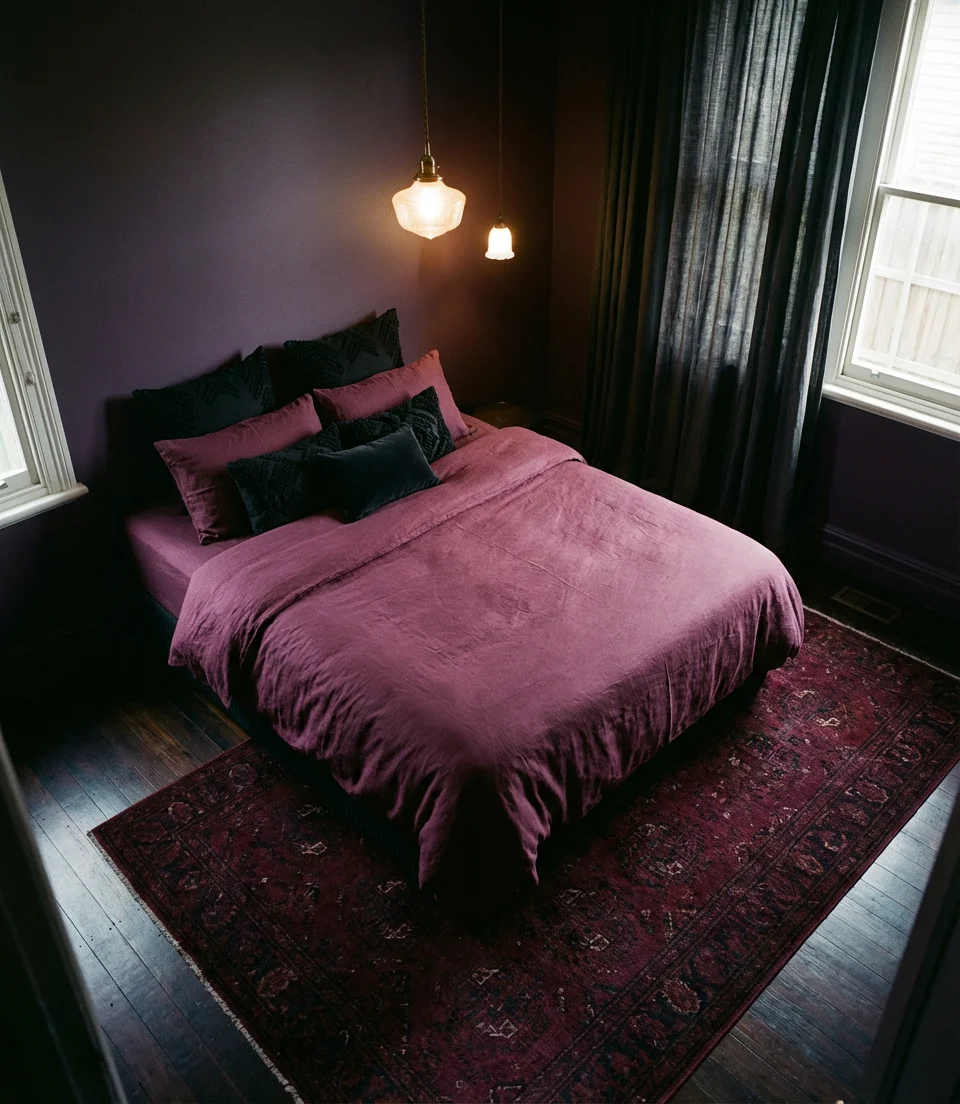
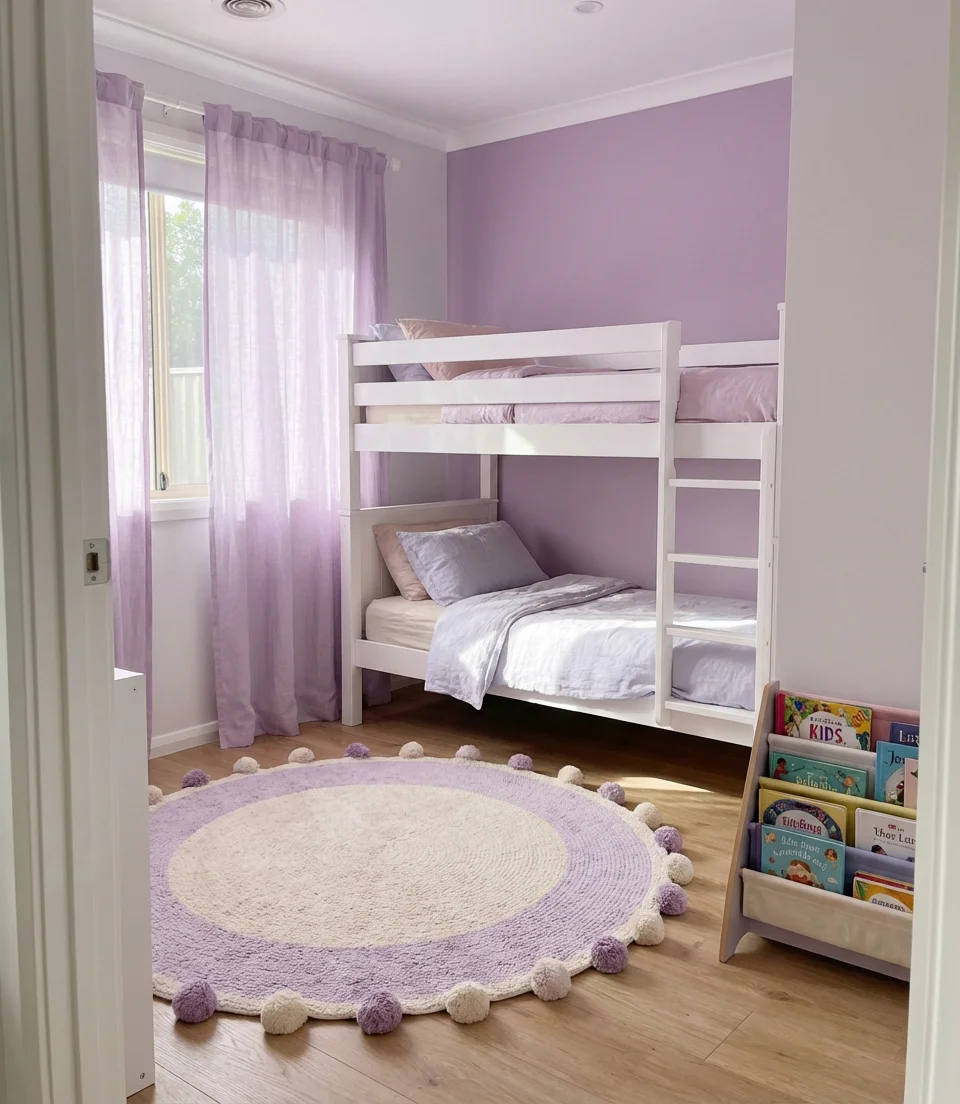
I’ve discovered that a pastel purple bedroom for kids doesn’t have to feel babyish or flat—when done right, it can be one of the most joyful, imaginative spaces in the whole house. I’d layer soft lilac or wisteria tones with natural textures, playful patterns, and just enough white to keep the room feeling bright and open. I think rattan accents and linen curtains elevate it further, making it feel simultaneously playful and considered. Even on a budget, I’ve found that an accent wall behind the bed in soft lavender with peel-and-stick star decals or a simple canopy can transform the energy for just a few hundred dollars.
5. I Landed on Gray-Purple and It’s the Most Sophisticated Choice I’ve Made
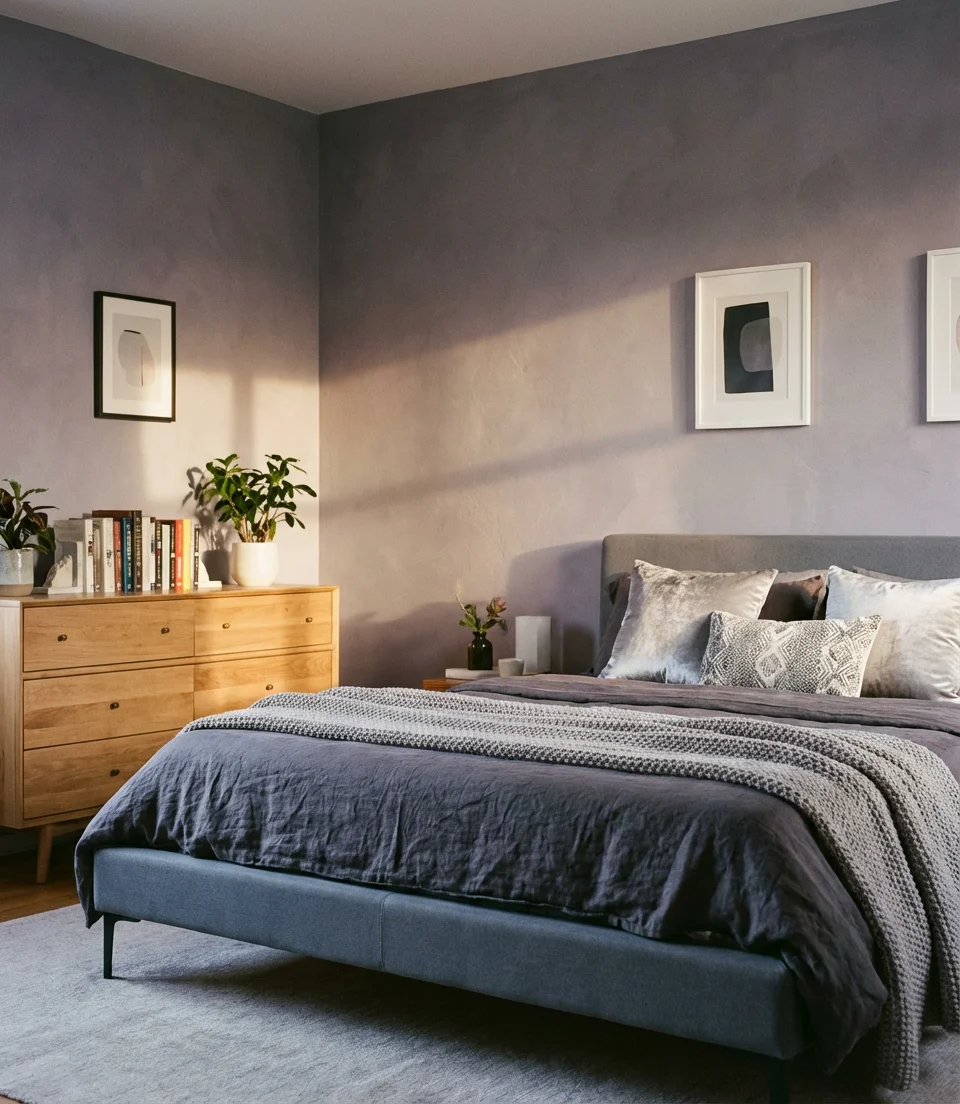
I’ve found the gray-purple middle ground to be genuinely one of the most sophisticated places to land when I love purple but worry it might feel too bold. Shades like mauve, dusty thistle, and muted violet-gray sit beautifully between cool neutrals and full color commitment for me. I’d pair them naturally with grey linens, charcoal furniture, and soft silver hardware to create a bedroom palette that reads as refined and almost editorial. I love how these tones shift beautifully with natural light throughout the day—looking almost taupe in bright morning sun and deeply violet under lamplight.
6. I Gave My Teen a Purple and Black Bedroom That’s Edgy but Refined
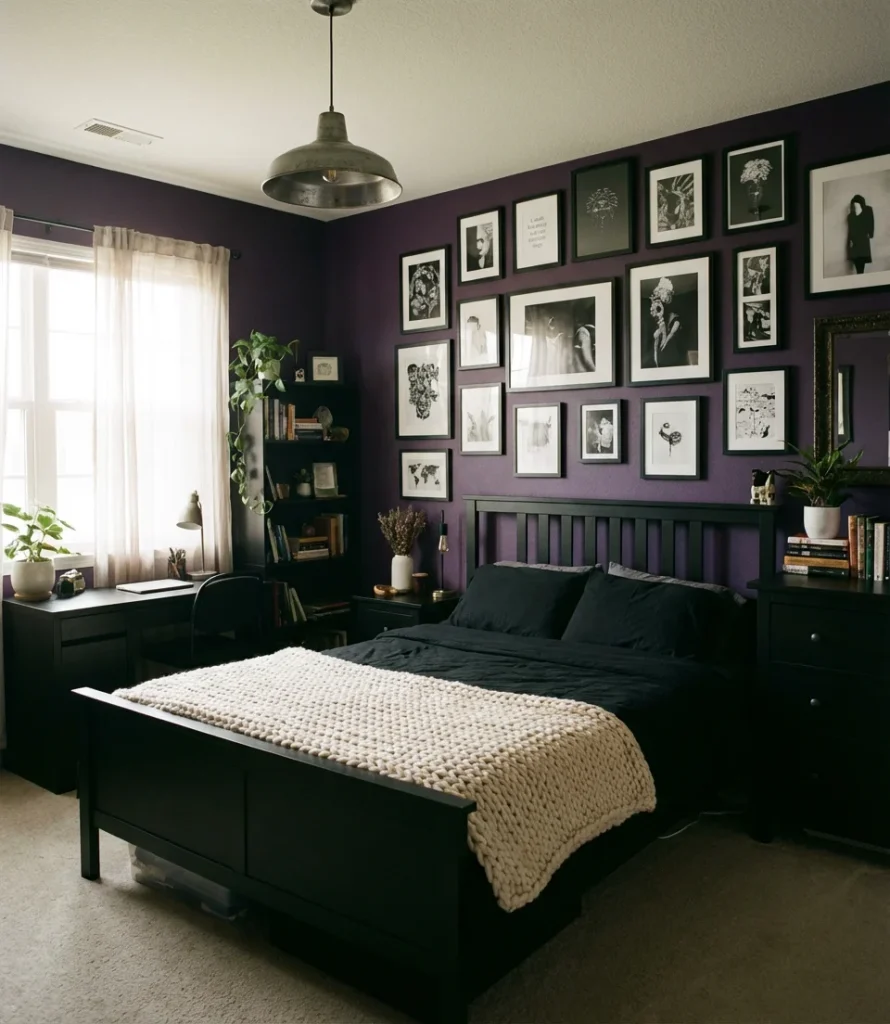
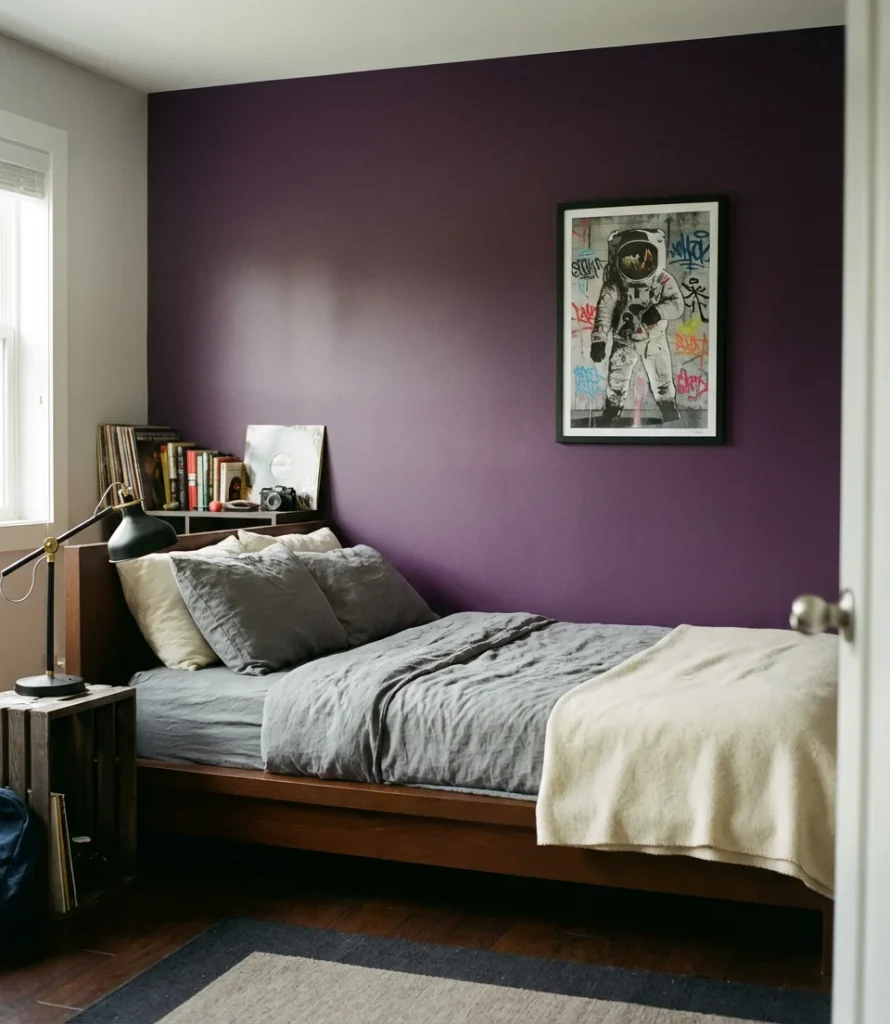
I’ll admit that pairing purple with black in a teen bedroom sounded risky to me at first, but executed with restraint, it’s become one of the most striking combinations I’ve seen. Deep violet or amethyst walls against matte black furniture and hardware create a space that feels genuinely cool—the kind of room a teenager actually wants to spend time in. I think it skews aesthetic in the best possible way, nodding to dark academia and cottagecore-goth movements without feeling derivative. My key is keeping textiles soft with chunky knit blankets and layered pillows in cream or blush to balance the drama.
7. I Tried Purple and Teal Together and the Result Is Stunning
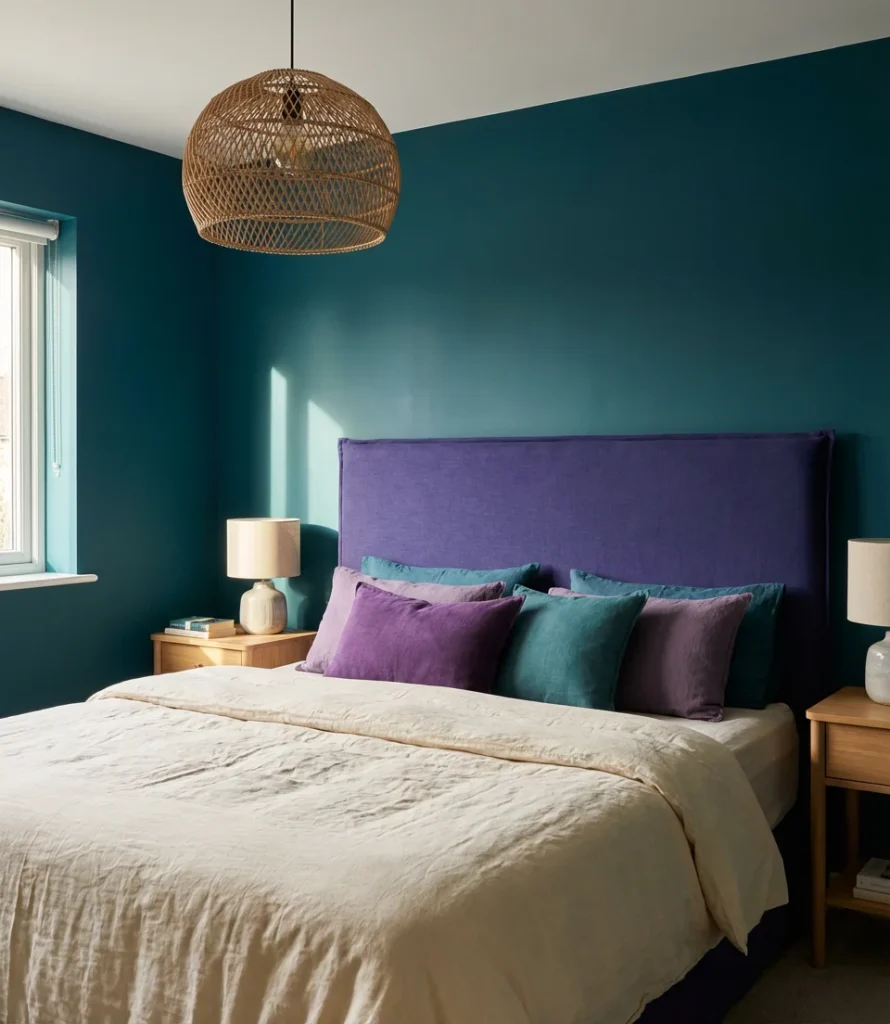
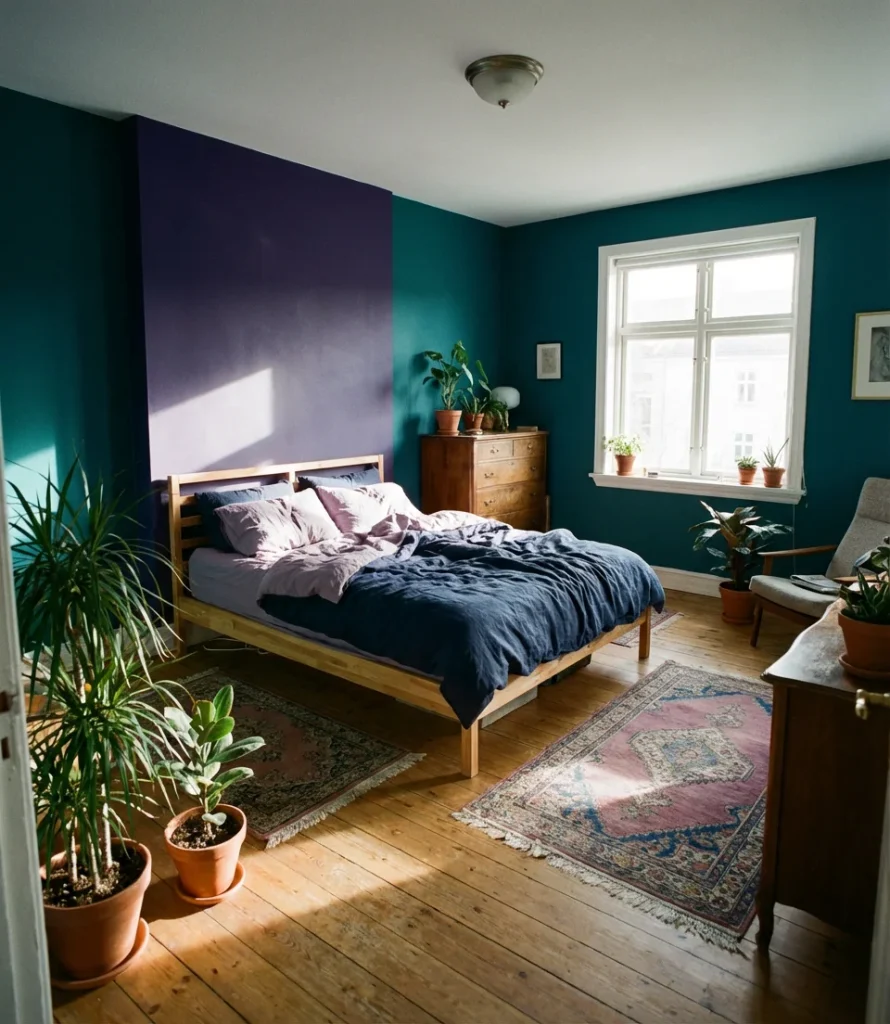
I’ve always thought purple and teal shouldn’t work on paper, but when I saw it done well, I knew I had to try it myself. The cool depth of teal balances the warmth in purple’s undertones, creating a bedroom that feels energized and layered without veering into chaos. I’d use teal as my dominant wall color with purple expressed through an accent wall, bedding, and throw pillows. I’ve learned the secret is tonal consistency—if my teal leans warm, I choose a plum or magenta-adjacent purple; if it’s cool and blue, I pair it with a cooler violet or lavender.
8. I’m Living My Best Life in My Dusty Purple Bedroom With Linen Textures
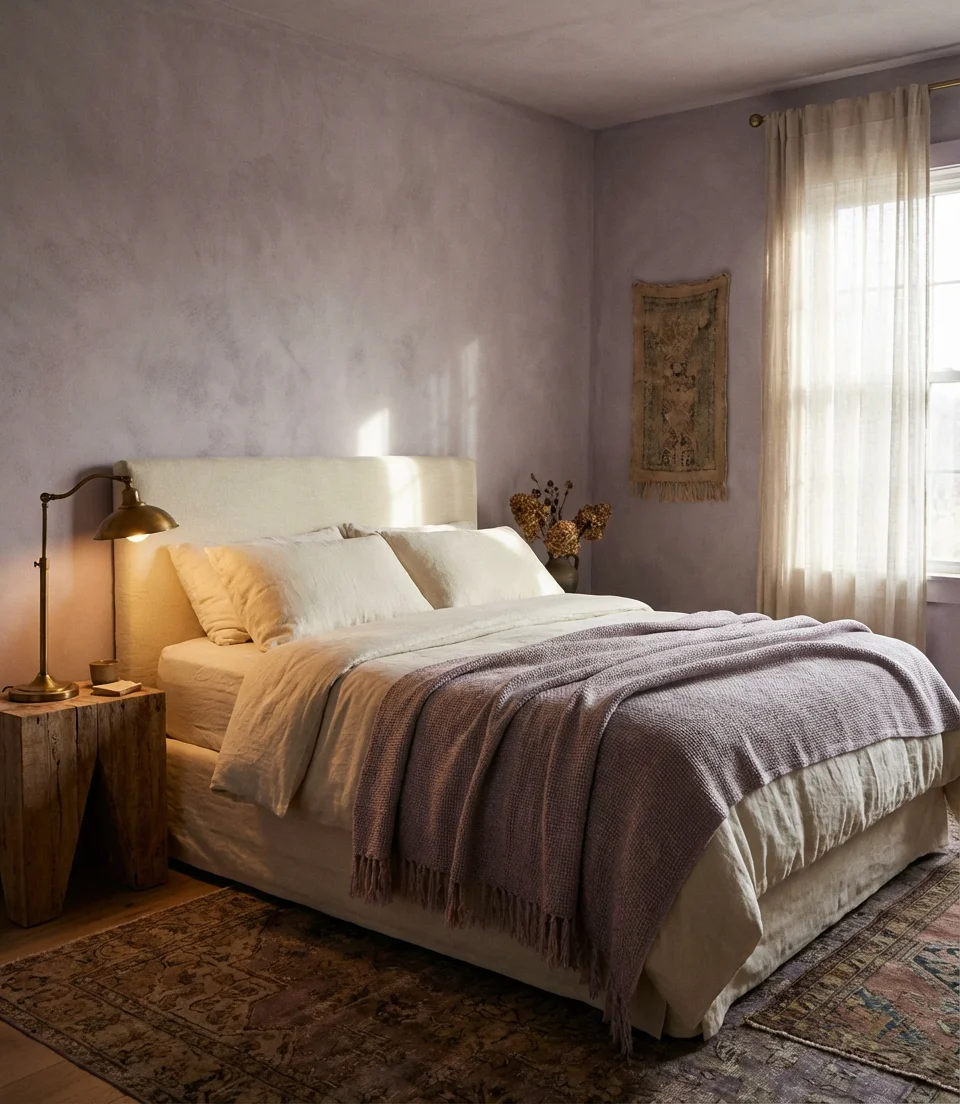
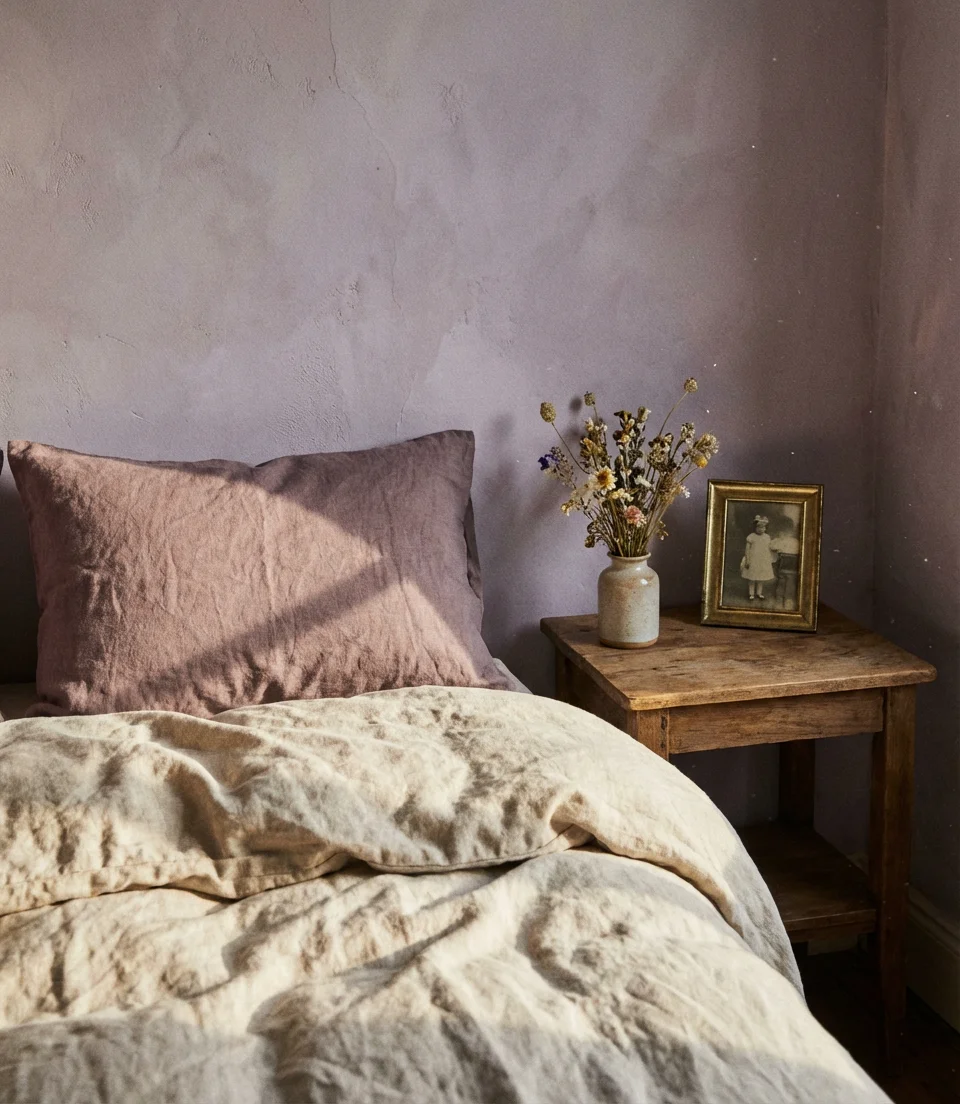
I’ve fully committed to the dusty purple bedroom trend, and I’m not looking back. These muted, almost smoky purple tones—faded iris, dried lavender, antique wisteria—carry an inherent softness that feels both romantic and deeply restful to me. When I layer them with natural linen textures in warm ivory and stone tones, the result looks like it was styled for a slow Sunday morning and never left. I’ve learned the investment worth making here is in the textiles—cheap synthetic fabrics flatten the palette, but a quality Belgian linen duvet cover elevates everything without requiring a major renovation.
9. I Built a Dreamy Purple and Pink Bedroom My Daughter Absolutely Adores
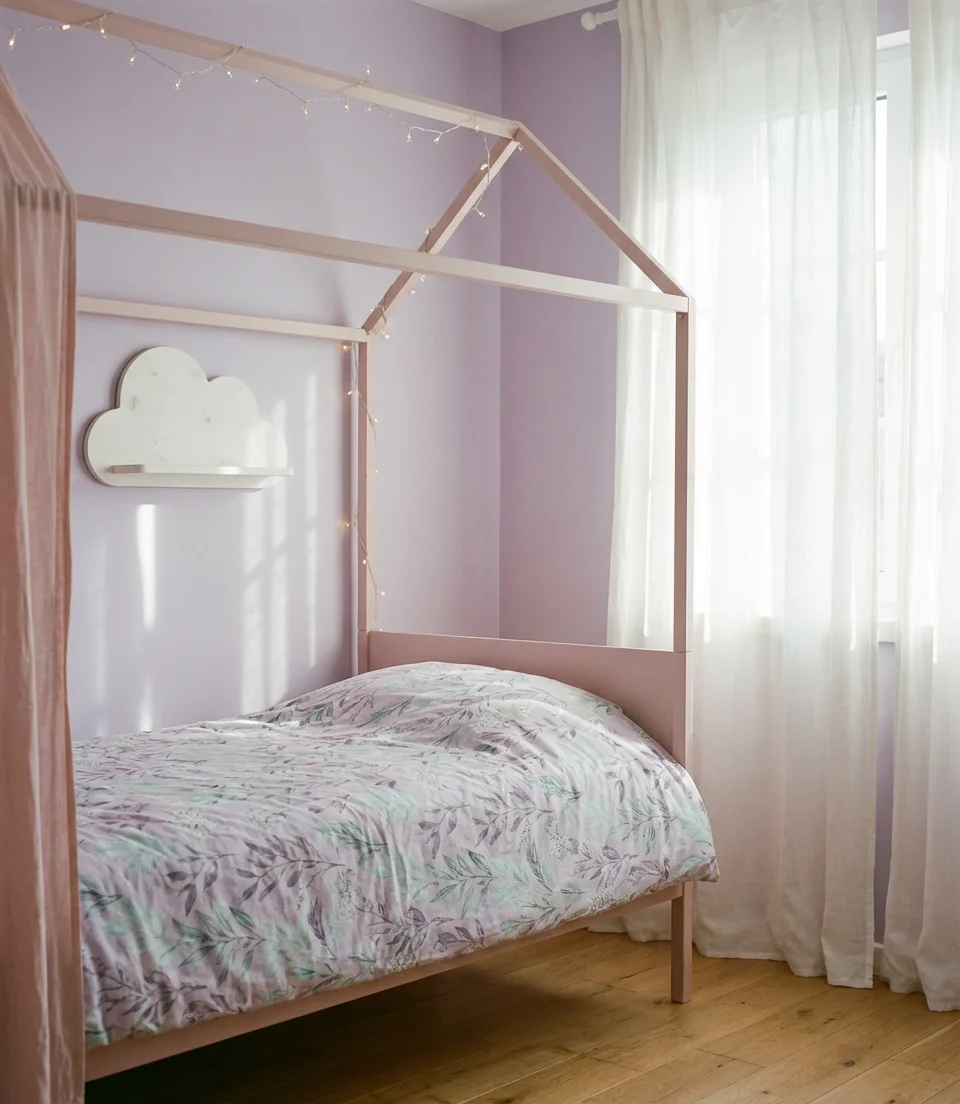
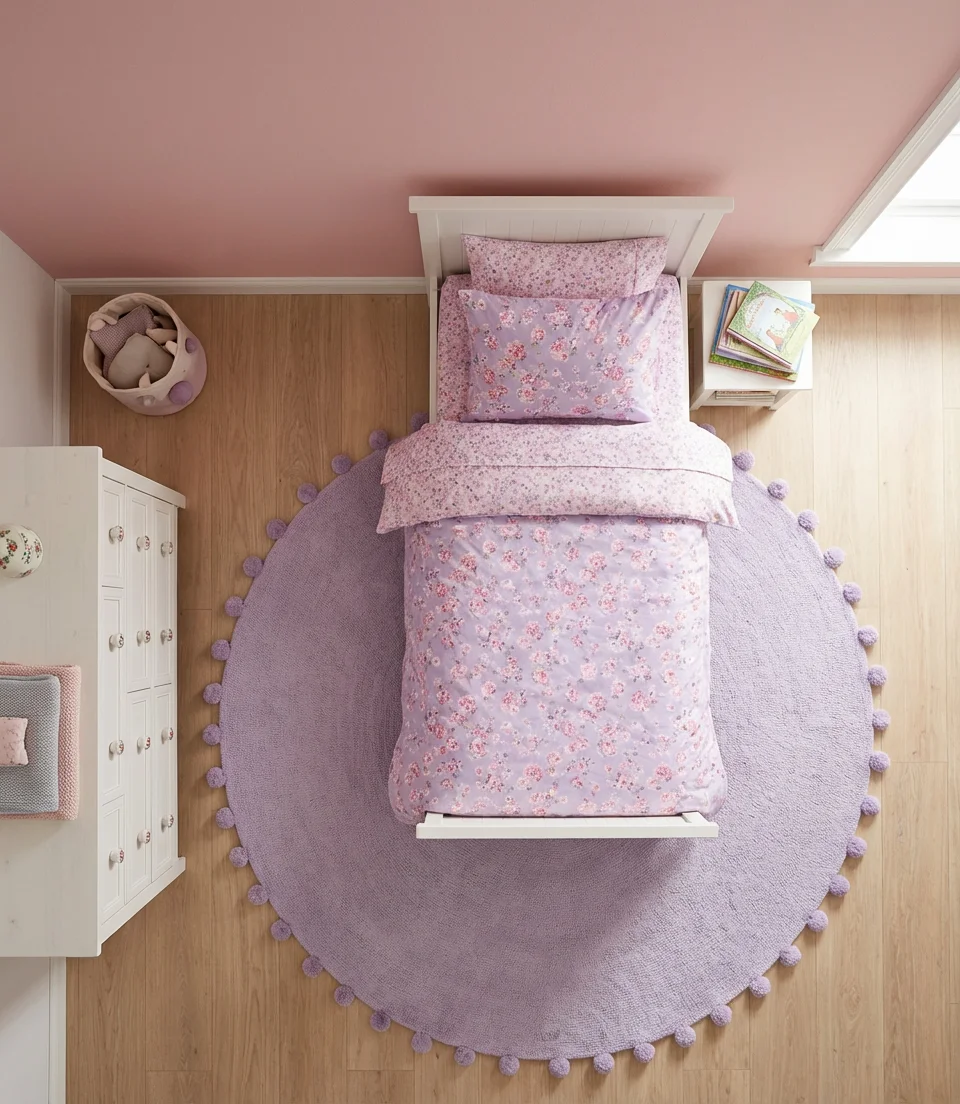
I’ve evolved my approach to purple and pink together beyond candy-colored walls and princess decals into something genuinely modern. I now use lilac and blush rather than bright violet and hot pink, creating a space that feels dreamy and soft rather than loud for my daughter. I’d layer in botanical prints, cloud-shaped furniture, and fairy lights to give her that magical, adorable quality she loves while keeping it stylish enough that I don’t cringe walking in. I’ve found keeping the ceiling white ensures the room stays light and airy even as the walls carry full color.
10. I Created a Purple and Blue Bedroom That Feels Coolly Collected
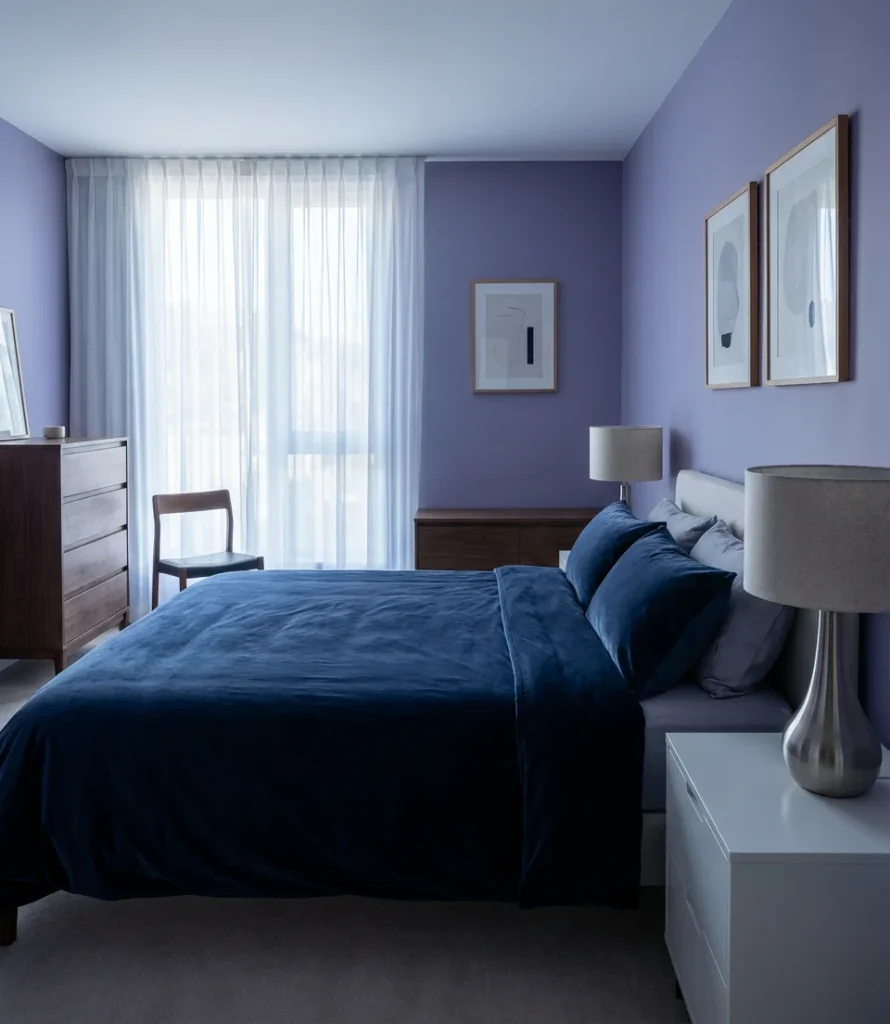
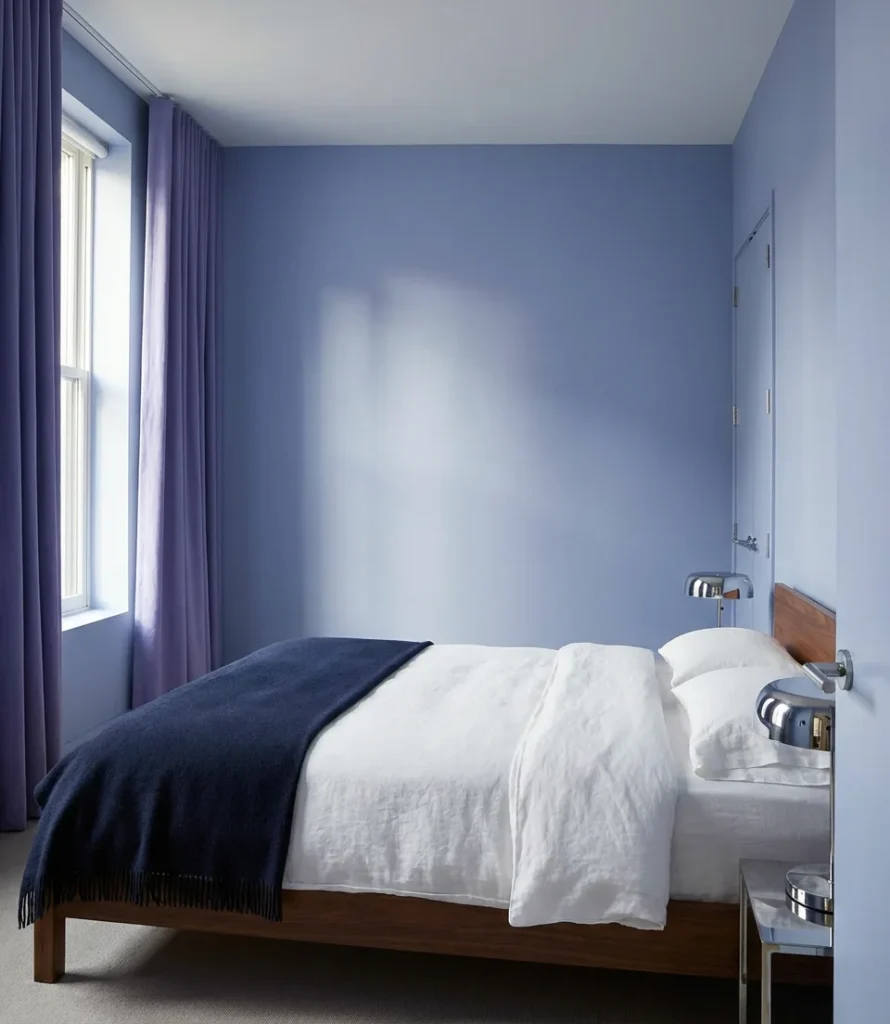
I’ve discovered that purple and blue, when handled with intention, create a bedroom that feels coolly sophisticated and genuinely interesting to me. Dark blue as an accent against medium purple walls produces a layered effect that rewards a second look—navy bedding on lavender walls reads as almost editorial in my opinion. I think this palette works especially well for adults like me who want color without warmth, a bedroom that feels crisp and calm rather than cozy and enveloping. I’ve learned the most common mistake is losing contrast, so I always ensure one color is significantly darker or lighter than the other.
11. I Took a Risk on Green and Purple and It Paid Off Beautifully
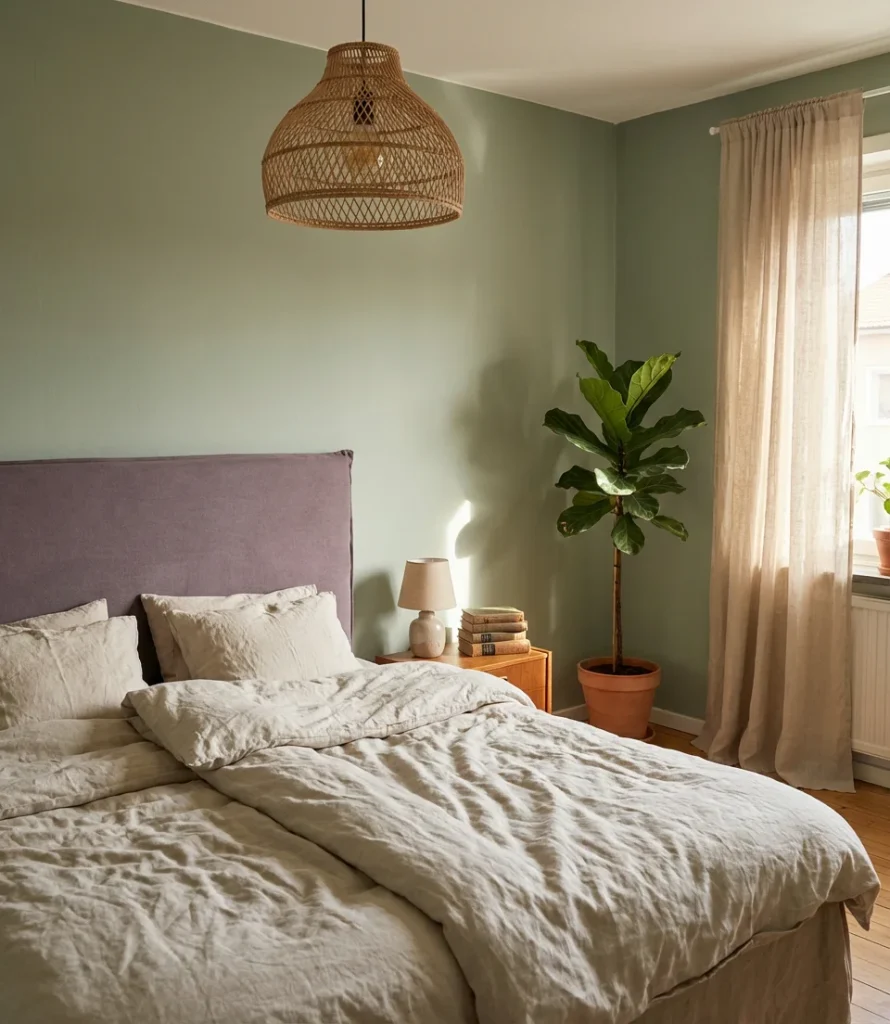
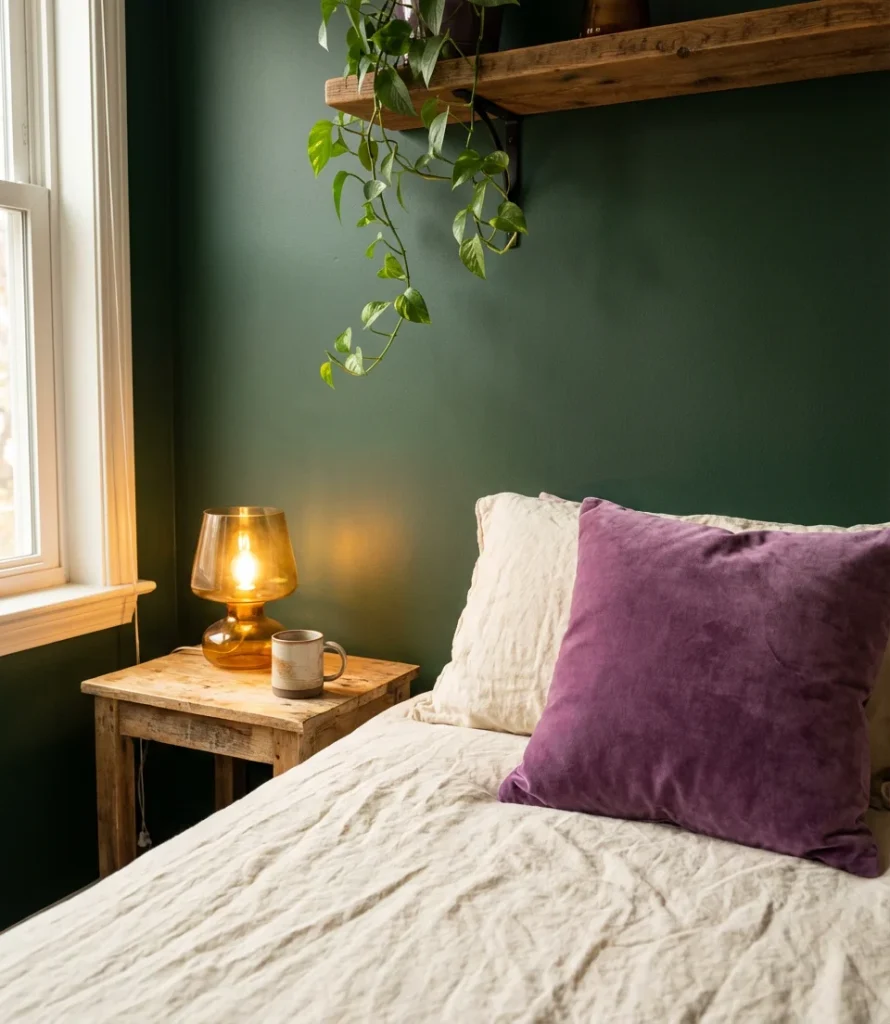
I’ve always known purple and green are complementary colors, but I was nervous about using them together until I dialed both tones down enough. Sage green walls with dusty purple accents create a botanical richness that’s incredibly popular among design-forward homeowners like me. I think this palette is particularly compelling for couples who disagree on color direction—it’s simultaneously grounded and expressive. I’d bring in actual plants to reinforce the palette, letting purple show up beautifully through throw pillows, a vintage rug, or a small upholstered chair while keeping larger furniture pieces neutral.
12. I Built a Romantic Purple Bedroom My Partner and I Never Want to Leave
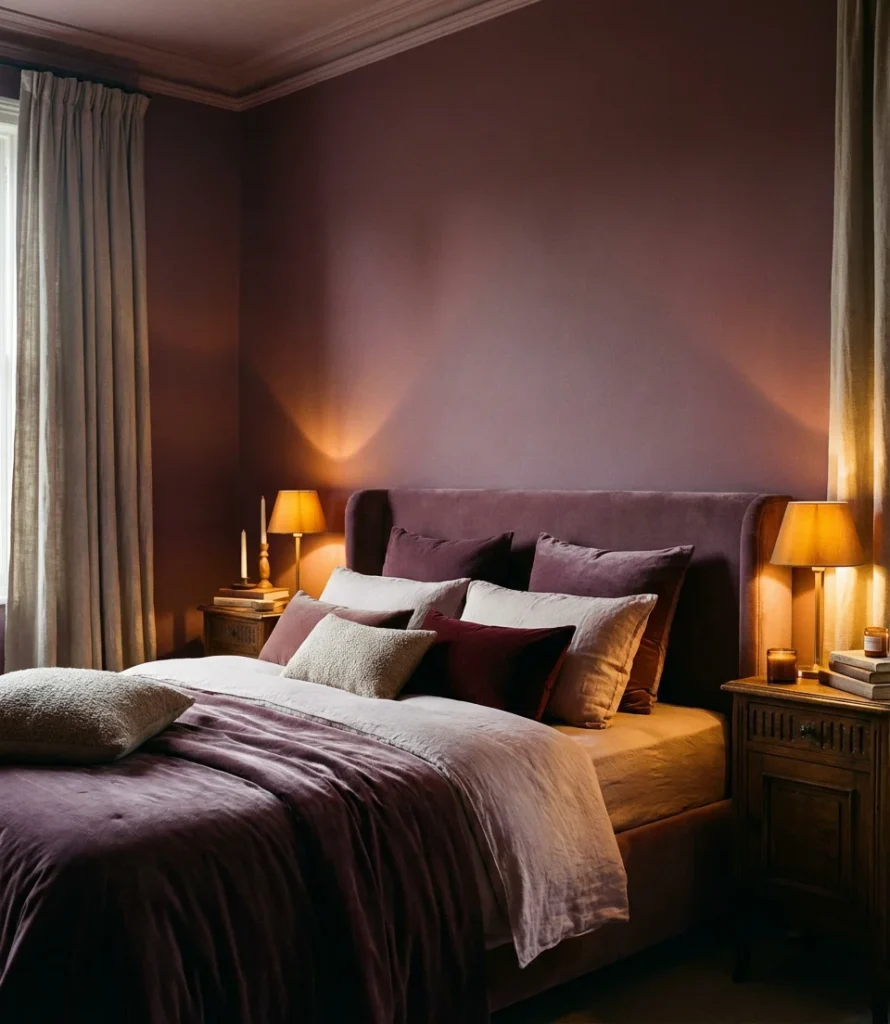
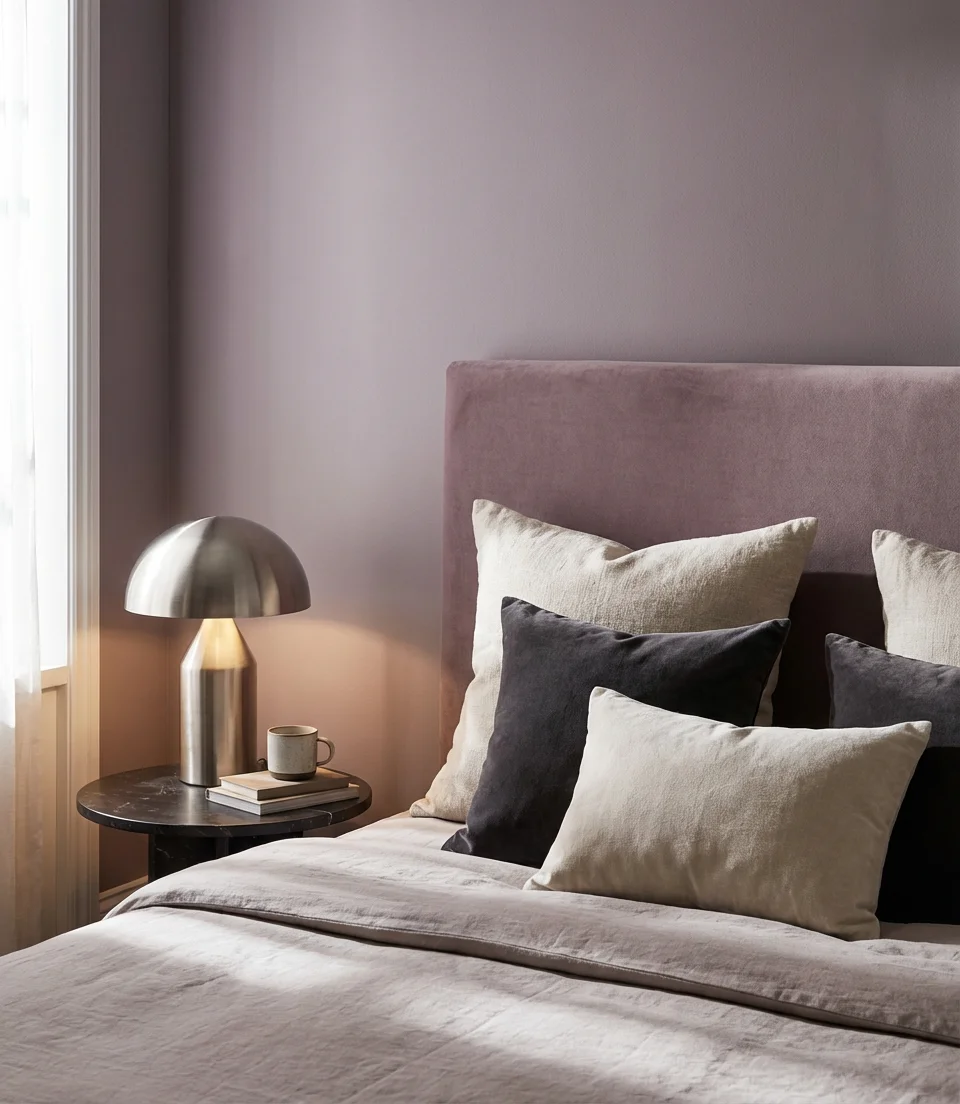
I’ve learned that today’s romantic aesthetic is far more subtle and personal than red roses and canopy beds. For my partner and me, a purple bedroom built on layered textiles creates intimacy that feels architectural rather than decorative. I’d use deep mauve or muted violet walls layered with velvet, linen, and cotton in tonal purples and creams to create a space that feels genuinely private and enveloping. I think of the textile layering as the architecture of our room’s romance—starting with a smooth linen base, adding a textured duvet, a velvet throw, and stacked pillows in a range of sizes and finishes.
13. I Found Peace in My Gray Light Purple Minimalist Bedroom
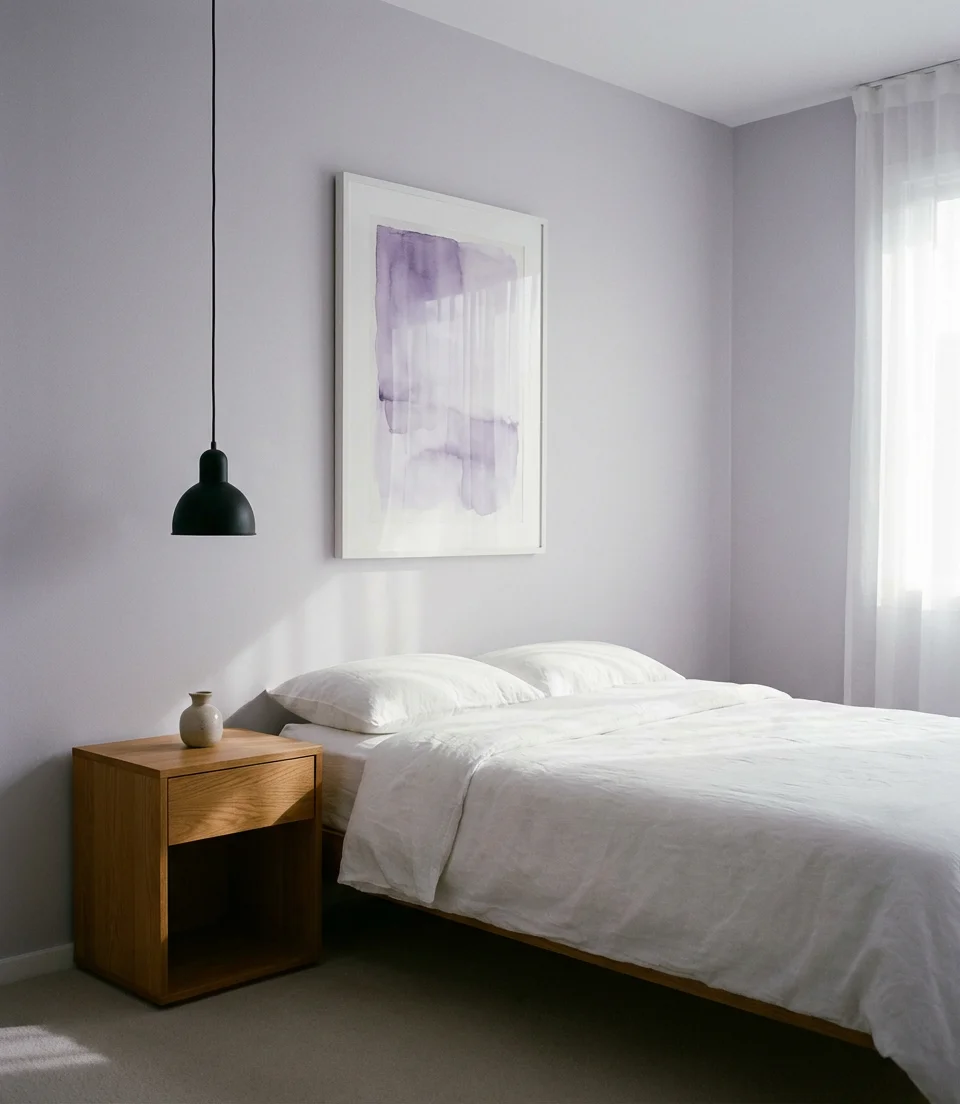
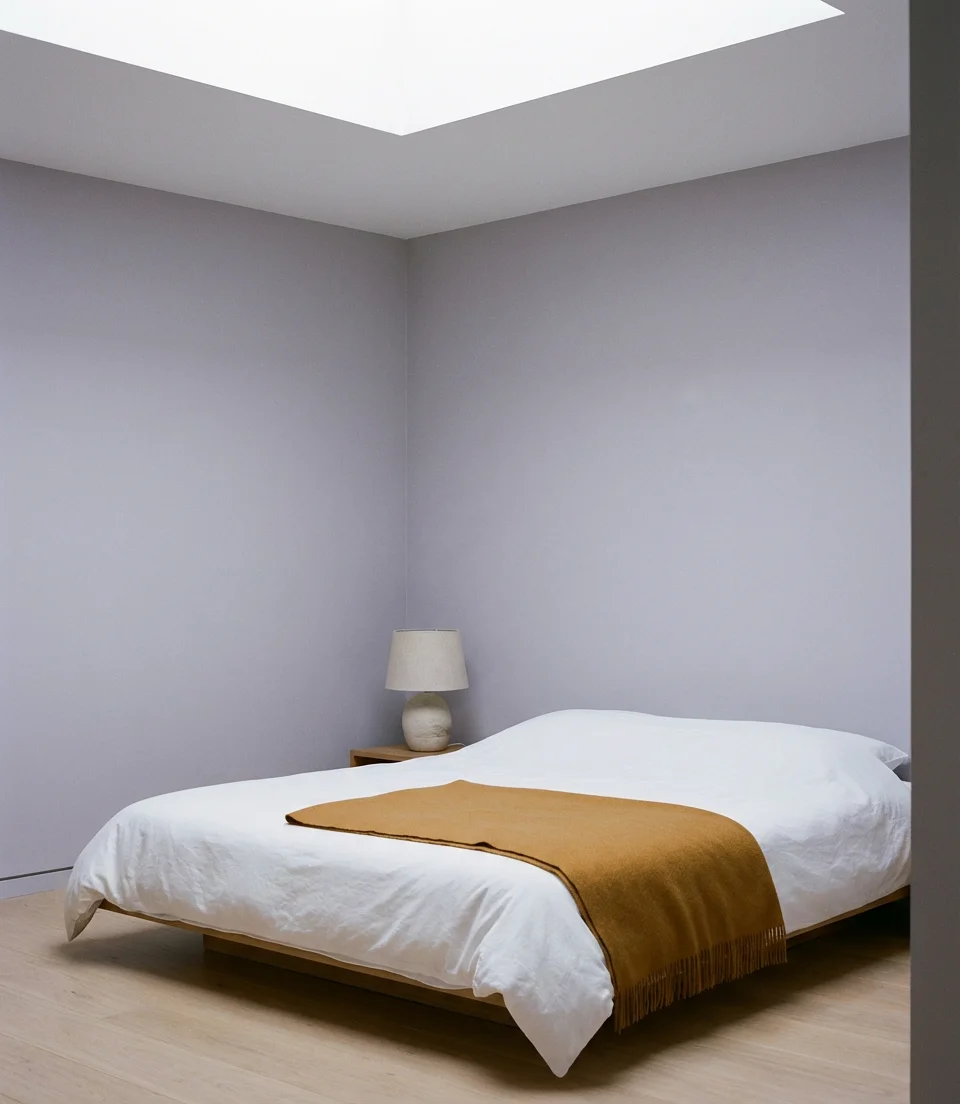
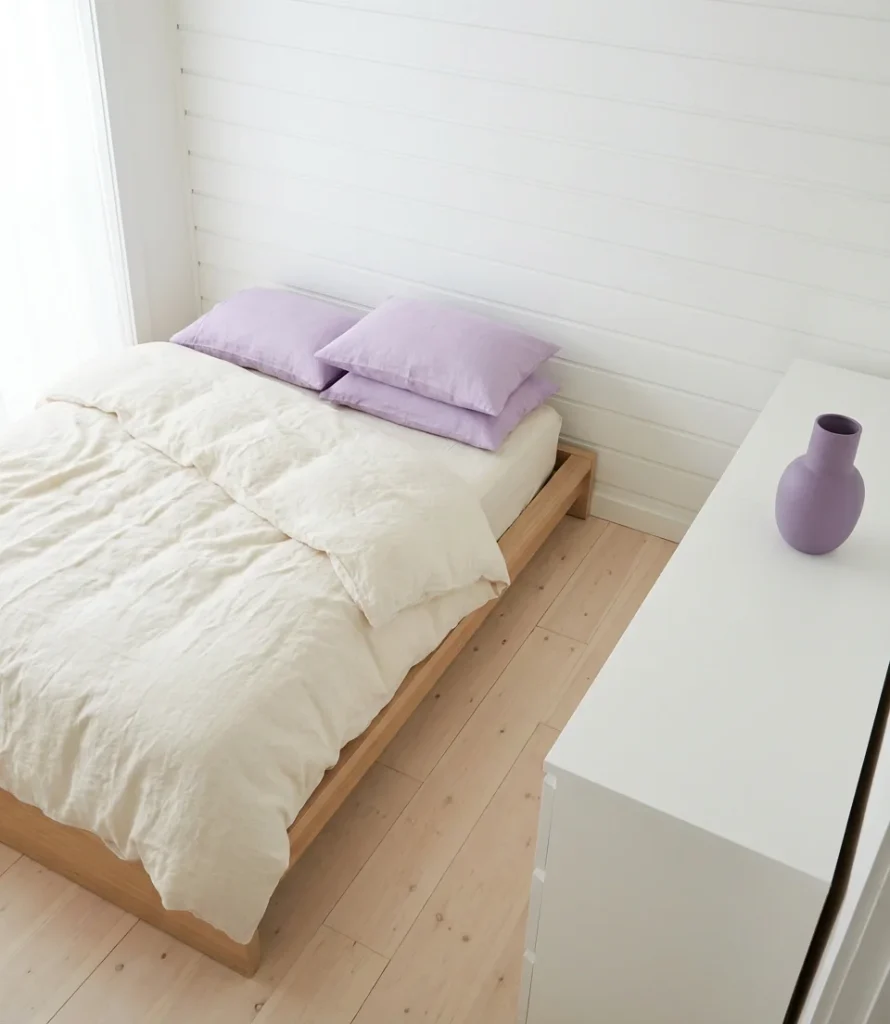
I’ve discovered that pale, barely-there violet-grays—sometimes called “architectural lavender”—create the perfect middle path for my restraint-driven design instinct. These tones whisper rather than shout, which makes them ideal for me since I want visual interest without commitment. I’d pair them with clean-lined furniture, a single large piece of art, and bedding in white or warm ivory for a bedroom that feels genuinely peaceful. I love the practical advantage too: these near-neutral purples work with virtually every wood tone, metal finish, and textile color, making this one of the safest “color” choices I could make.
14. I Proved Purple Works for My Teen Boy and He Loves It
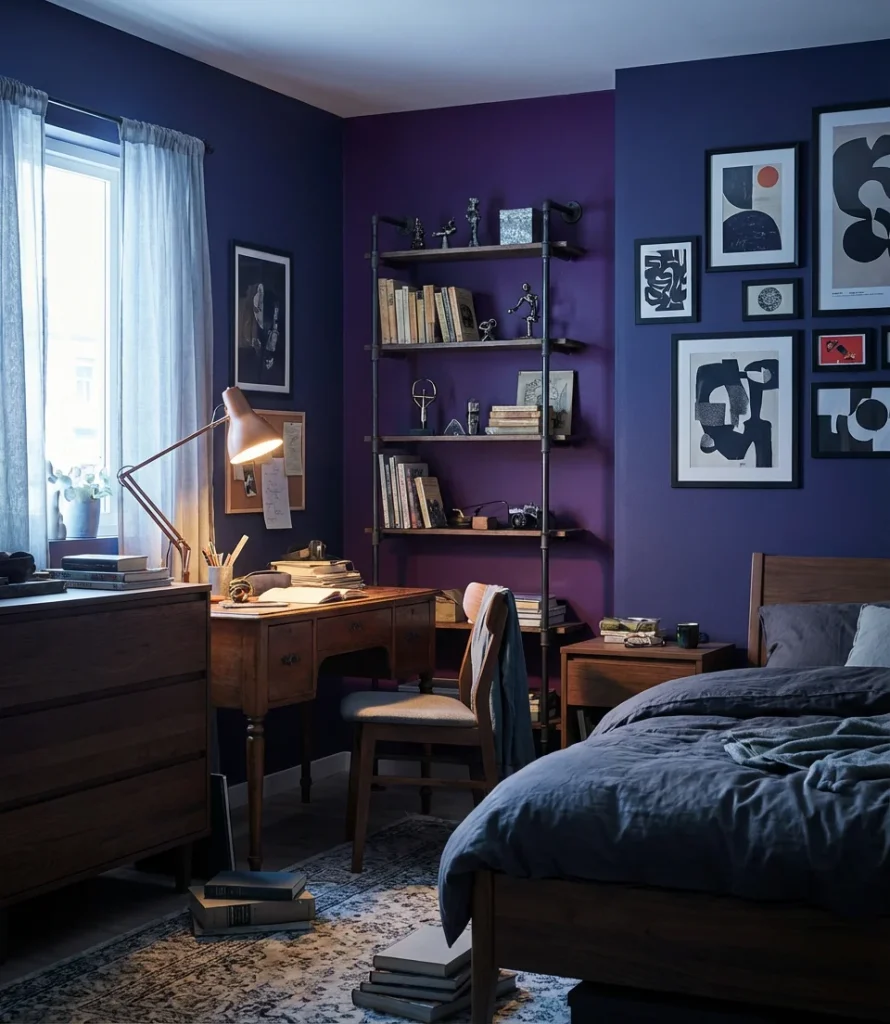
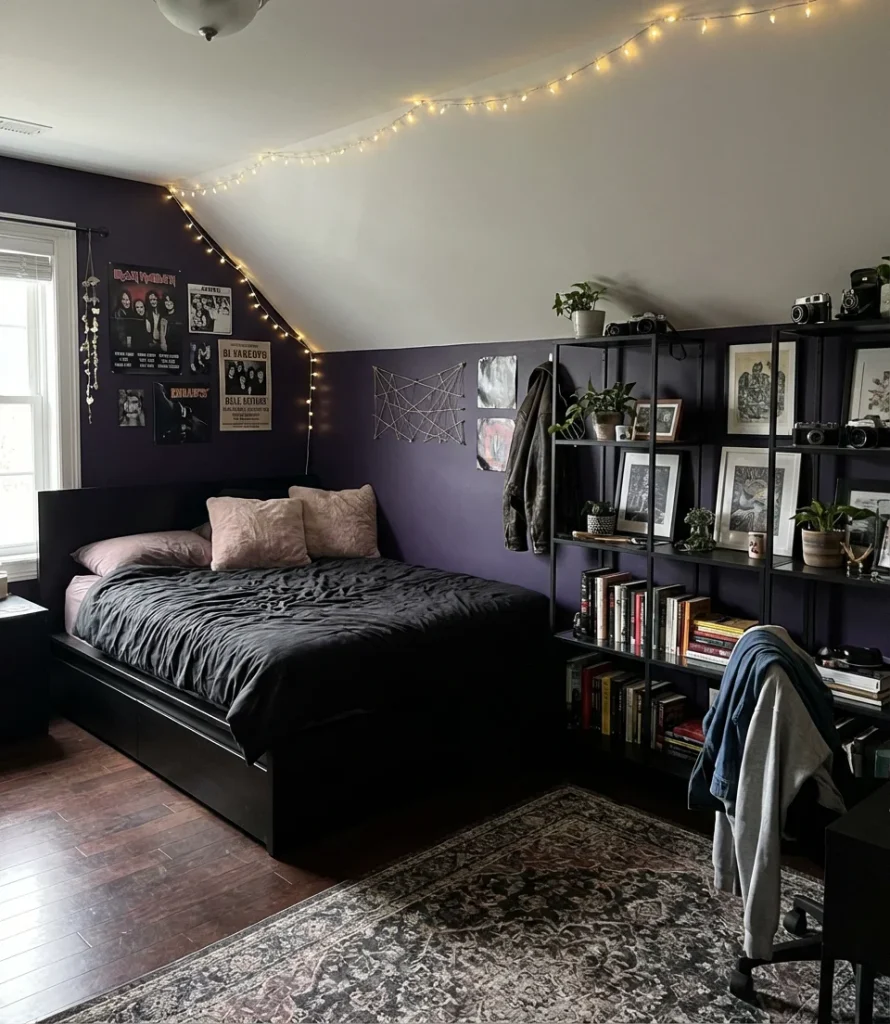
I’ve always believed purple doesn’t belong to any gender, and I finally proved it by designing a purple bedroom for my teen boy that he genuinely loves. I built it around deeper, more saturated tones—indigo-purple, eggplant, smoky violet—paired with industrial metal accents, dark wood furniture, and graphic art. I think the aesthetic borrows from music studios, gaming setups, and street art, making it aspirational and cool in a way that transcends any color association. I was surprised by how enthusiastically he responded when I let him drive the specific shade and pair it with his own art and furniture.
15. My White and Purple Bedroom Is the Clean, Crisp Calm I Crave
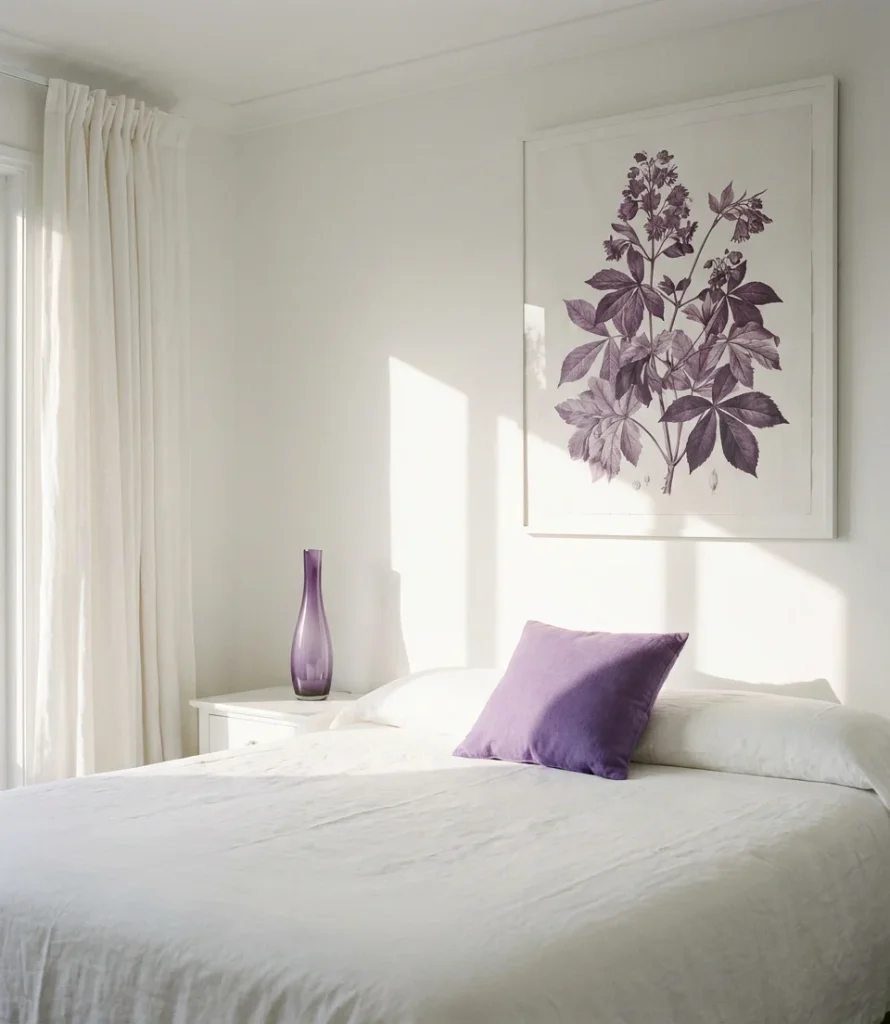
I’ve found something almost meditative about a white and purple bedroom executed with real precision. White creates space for me to breathe, while purple nourishes my soul—even a small dose like a single purple throw or violet-glazed lamp carries enormous visual weight. I think material quality truly shines here: when there’s little color to carry the room, texture and finish quality become my primary design tools. I’d invest in a duvet cover with genuine thread count, choose tailored window treatments, and make sure my white walls are actually bright and unmarked because scuffs show aggressively in this clean palette.
16. I Took a Chance on Purple and Yellow and the Harmony Surprised Me
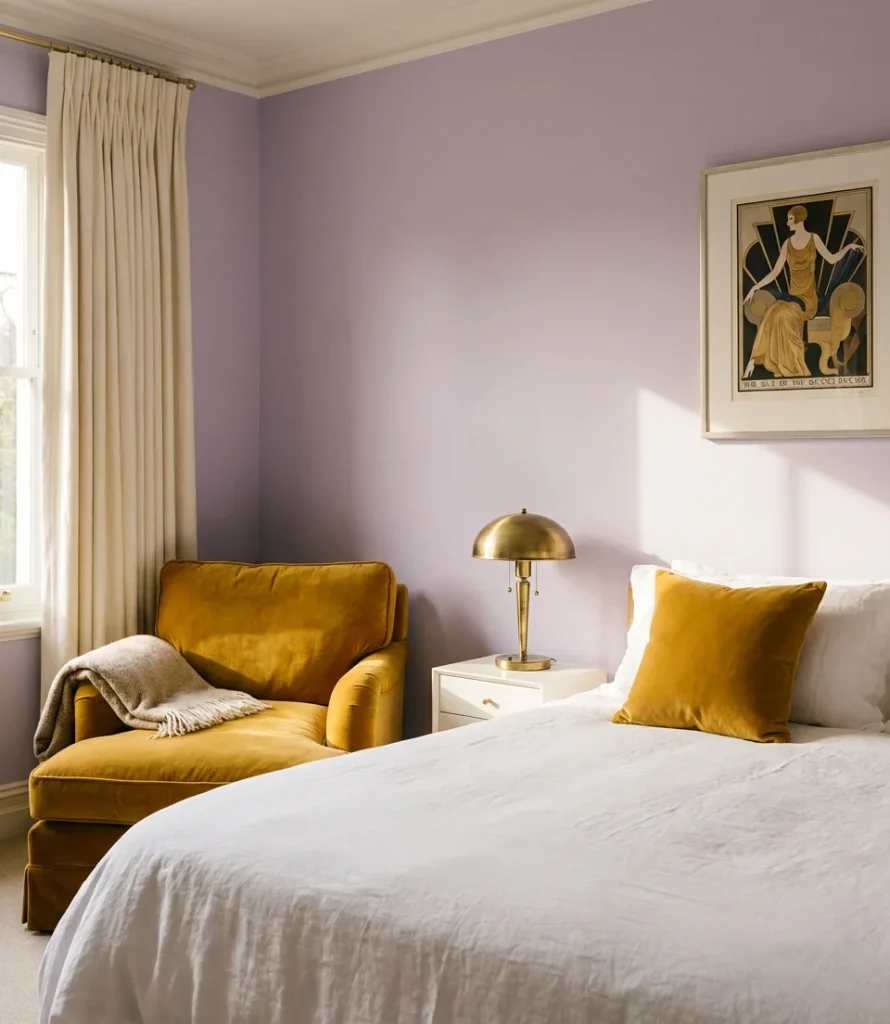
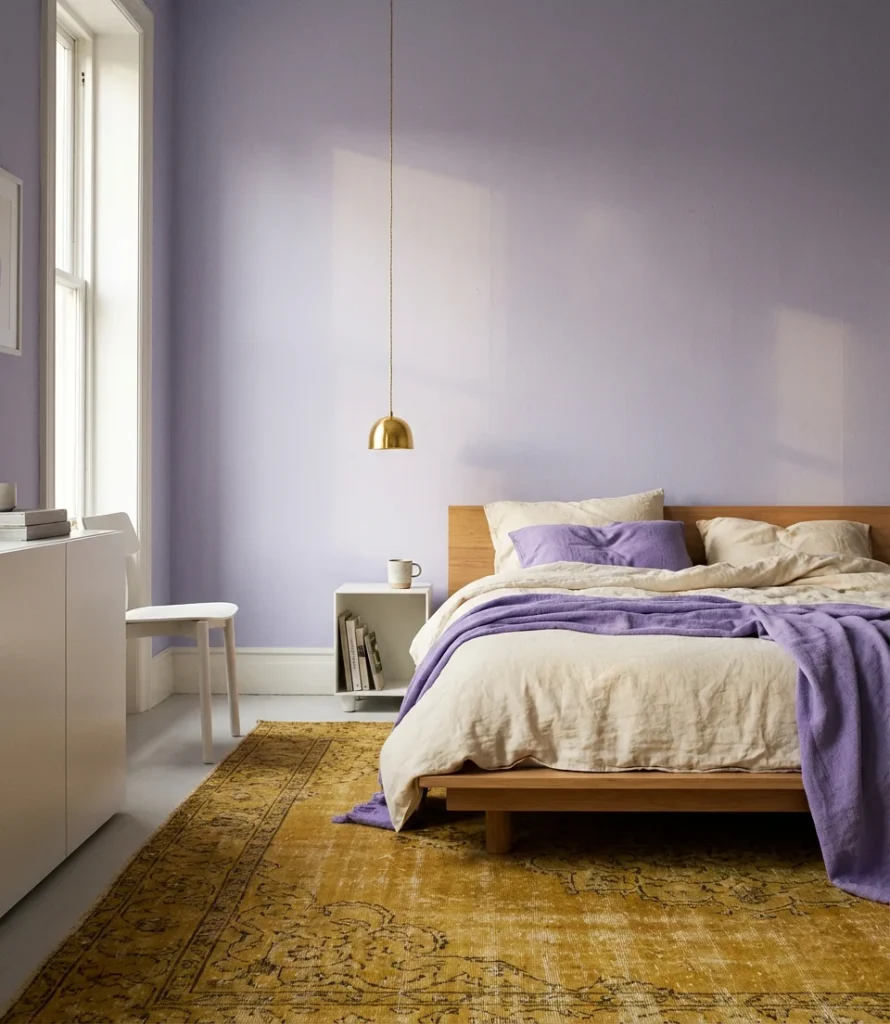
I’ll admit I was skeptical about purple and yellow together, but tempering both tones dramatically changed everything for me. Soft lavender walls with warm mustard yellow accents create a distinctly European art deco quality that feels increasingly relevant in 2026. I think this palette hits a sweet spot between playful and grown-up that’s genuinely hard to achieve with more conventional choices. My rule now is using yellow sparingly—one mustard pillow among cream and purple bedding, a golden lamp on a white nightstand, or a single vintage poster with yellow tones is all I need.
17. I Went Full Maximalist With Purple and Red Drama
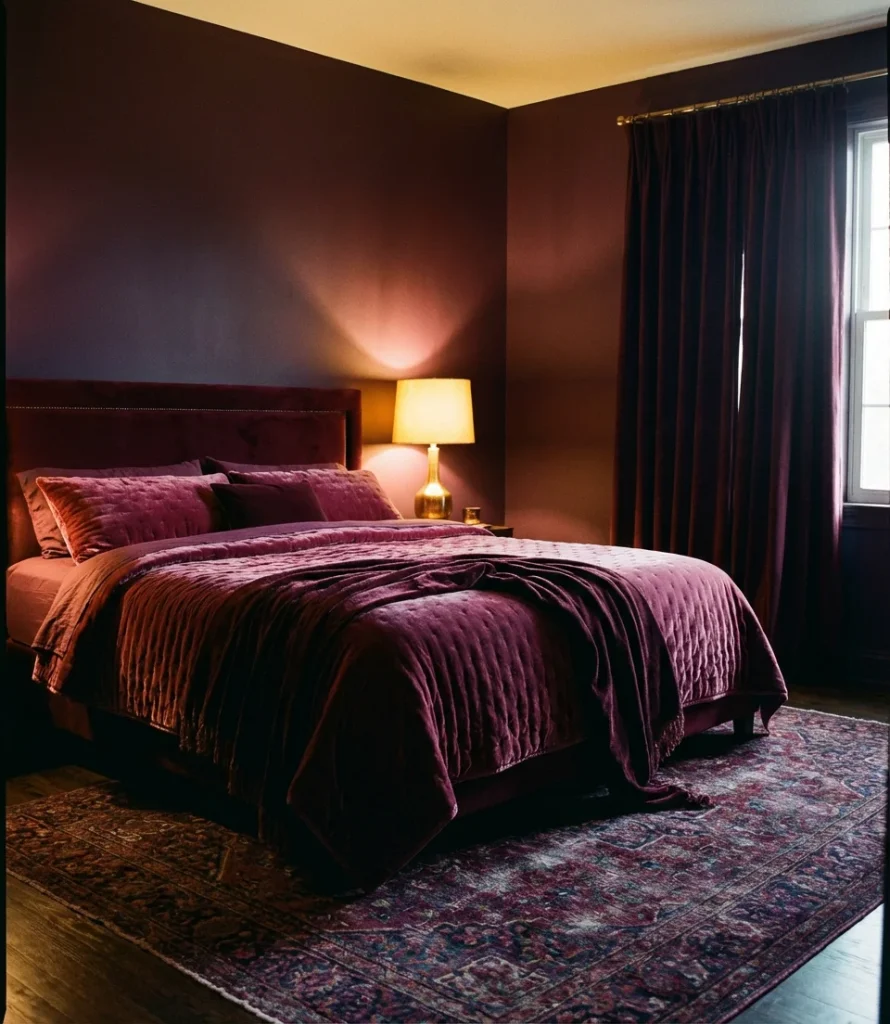
I’ve always been drawn to dramatic color combinations, and purple with red—when done right—has become one of my most genuinely beautiful bedroom palettes. I choose shades that share an undertone: berry red paired with plum purple, or terra cotta red with warm mauve, creating a depth reminiscent of a jewel box. I think this moody, dark palette is perfect for maximalists like me who want their bedroom to reflect their identity. I’ve learned it works best when the room has architectural detail to showcase—crown molding, a fireplace, or built-in shelving—because without structural interest, very saturated rooms can feel oppressive.